Avoid common French communication mistakes before travelling, studying, or working in France. Learn which direct translations can sound unnatural, how politeness changes by setting, and when language support is worth considering.

For most Korean visitors, the fastest way to sound more natural in France is simple: say “Bonjour” first, use “Je voudrais…” instead of “Je veux…”, and choose “vous” when you do not know the person well. These small changes matter more in everyday service situations than trying to speak perfectly. A short phrase list may be enough for a holiday, while an online French tutor can be useful if you need speaking practice or pronunciation feedback. For study, relocation, or work, a structured French course or language support service may reduce misunderstandings in higher-stakes conversations. The best choice depends on how long you will stay and how often you need to handle bookings, customer service, classes, or professional communication. French habits also vary by region, workplace, and individual, so polite default phrasing is usually the safer starting point.
At a Glance
- Start with “Bonjour” before making a request in shops, cafés, and service settings.
- Use “Je voudrais…” rather than “Je veux…” when ordering or asking for something.
- Choose “vous” first with strangers, staff, supervisors, and older people unless a more familiar form is clearly appropriate.
| Direct Translation Habit | More Natural French Alternative | Risk Level | Best Setting |
|---|---|---|---|
| Starting a request without a greeting | Bonjour, then make the request | Medium | Shops, cafés, hotels, service counters |
| Je veux… for “I want…” | Je voudrais… for a softer request | Medium | Restaurants, shops, transport, accommodation |
| Using tu immediately with an unfamiliar person | Use vous as the safer default | Medium to high | Customer service, work, study, formal interactions |
| Leaving immediately after a transaction | Merci and, when appropriate, Bonne journée | Low | Everyday purchases and short service interactions |
The Quick Fixes That Make French Conversations Sound More Natural
The most useful improvement is not memorising long scripts. It is learning a polite interaction pattern: greeting, request, thanks, and closing. This pattern helps Korean travellers avoid moments where a correct translation still sounds abrupt in French.
Start Interactions with a Greeting Before Making a Request
In France, “Bonjour” is an important opening greeting in many everyday interactions. Use it when entering a shop, approaching a café counter, speaking to hotel staff, or asking for help at a service desk. A visitor may know exactly what they need, but beginning directly with a question, a menu item, or a booking detail can feel less smooth than greeting the person first.
A practical sequence is simple: say “Bonjour”, explain what you need, say “merci”, and close with “Bonne journée” after a short transaction. This does not guarantee the same response everywhere, but it is a low-risk routine for first-time visitors.
Use Softer Request Forms Instead of Literal Translations
“Je veux…” literally communicates that you want something, but it can sound overly direct in service situations. When ordering food, buying a ticket, asking for an item, or discussing a hotel request, “Je voudrais…” is commonly used as a more polite request form.
The difference is especially useful when you are tired, in a hurry, or unsure about pronunciation. Rather than trying to construct a complex sentence, lead with “Bonjour” and use “Je voudrais…” before the item or service you are requesting. Add “s’il vous plaît” when making the request, then say “merci” when it is completed.
Match Formality to the Person and Setting
French has formal and informal second-person forms. Vous is generally used with strangers, customers, supervisors, and older people. Tu is used in more familiar relationships. For Korean visitors, this distinction can be easy to miss because a direct translation may not show the social relationship clearly.
When in doubt, start with vous. It is the safer option for a staff member, lecturer, landlord, colleague you have just met, or anyone handling a reservation or service request. A casual setting does not automatically mean that tu is appropriate, and individual preferences can vary.
Common Direct Translations That Can Create Awkward Moments
Not every direct translation is a serious mistake. Some are only grammatical or stylistic. The more important ones are the phrases that influence politeness, service interactions, and first impressions.
Requests in Cafés, Shops, and Restaurants
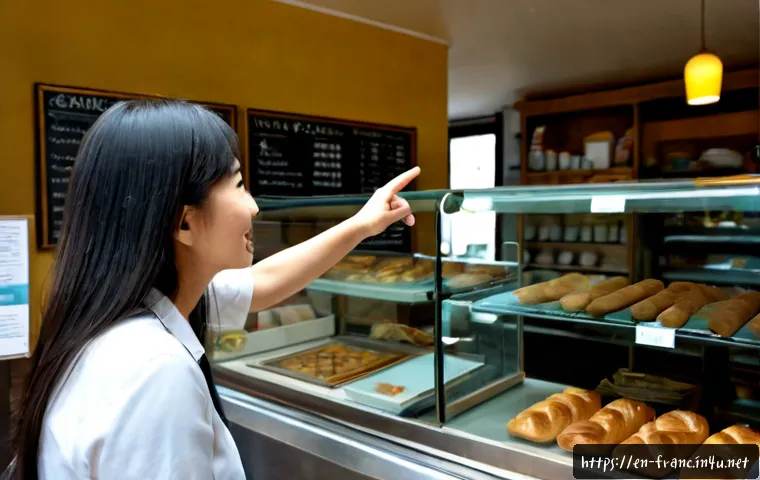
The common issue is not wanting a coffee, meal, product, or table. It is the way the request begins. A request that starts with “Je veux…” may sound firmer than intended. In a café or shop, “Bonjour” followed by “Je voudrais…” is a more natural base pattern.
Use “s’il vous plaît” as part of the request rather than as a replacement for a greeting. Then use “merci” after the staff member has helped you. These phrases are short, easy to practise, and useful even if your French vocabulary is limited.
Saying No, Disagreeing, or Asking for Help Politely
In unfamiliar situations, it is safer to avoid copying a sentence structure directly from Korean or English. Begin with a greeting where appropriate, keep your wording brief, and use the formal vous form when speaking with unfamiliar staff or officials. If you need help with a complicated issue, clear communication matters more than ambitious grammar.
This is one situation where a translation support tool can be useful. It may help you show a written address, reservation detail, or carefully prepared message. However, check names, dates, numbers, and destination details yourself. A translated sentence cannot replace confirmation when the information affects travel, accommodation, or an appointment.
Thank-You and Goodbye Phrases That Fit Everyday Service Situations
“Merci” is the standard expression of thanks. In short service interactions, “Bonne journée” is a common closing phrase after a transaction. Together, they help complete the interaction politely without requiring advanced French.
For example, after paying in a shop or receiving assistance at a counter, a brief closing can be more natural than simply turning away. These are small habits, but they are easy to build into your travel phrase list.
A Practical Comparison: Casual, Polite, and Professional French
French formality is not a rigid test with one answer for every region. Still, visitors can reduce avoidable awkwardness by choosing a polite default before moving into a more familiar tone.
When “Tu” Is Appropriate and When “Vous” Is Safer
Tu belongs in more familiar relationships. Vous is generally used with strangers, customers, supervisors, and older people. For a visitor, vous is usually the better first choice in hotels, shops, transport settings, classrooms, offices, and appointments.
Do not assume that age alone, a relaxed workplace, or a friendly smile tells you exactly which form a person prefers. Regional habits, workplace culture, and individual preferences can differ. If a relationship becomes more familiar, pay attention to how the other person speaks and follow the context.
Low-Risk Phrases for Travellers and First-Time Visitors
A small set of phrases has a high practical value: Bonjour to open, Je voudrais… to request, s’il vous plaît to make the request politely, merci to thank someone, and Bonne journée to close a short interaction. This is a better foundation than learning many isolated words without knowing when to use them.
For a short trip, place these phrases in a phone note alongside your accommodation address, reservation reference, and important names. Keep the information readable enough to show to staff if pronunciation becomes difficult.
When Pronunciation, Numbers, and Booking Details Matter More Than Perfect Grammar
French pronunciation and liaison can affect comprehension, particularly with names, numbers, addresses, and reservations. This matters when checking into accommodation, confirming a train-related detail, finding an address, or giving a booking name. Even a polite phrase may not solve the problem if the key information is unclear.
Prepare important details in writing. Repeat or show the spelling of your name when needed. Before leaving a counter or ending a call, confirm that the destination, date, and reservation information have been understood. This is often more useful than trying to correct every grammar mistake.
Avoidable Mistakes in Travel, Accommodation, and Work Settings
Travel French becomes most important when a misunderstanding costs time, changes a plan, or affects access to accommodation, classes, or work. In these situations, a calm, polite approach and written details are valuable.
Checking In, Asking for Directions, and Handling Reservations
At a hotel, rental desk, station, or service counter, begin with “Bonjour”. Use vous with unfamiliar staff. If you are giving a booking name or reference, show it on your phone or printed confirmation as well as saying it aloud.
For directions or reservation problems, avoid relying only on a memorised sentence if the detail is important. Keep the address, destination, date, and booking information ready. Pronunciation can affect comprehension, so visual confirmation may prevent a simple error from becoming a larger problem.
Communicating Delays, Dietary Needs, and Payment Questions
These topics can involve details that are difficult to express with a basic phrase list. Start politely, use vous when speaking to staff, and keep your request focused. If the matter is important, a translation support service or travel communication tool may help you prepare a clear written explanation.
Do not assume that one translated message covers every situation. Check the specific venue, provider, or staff member for what they can accommodate. For payment questions, reservations, or special requests, confirmation is more reliable than guessing from a partial conversation.
Workplace and Study Situations Where Overly Casual Wording Can Backfire
Newly arrived students and professionals may meet classmates, lecturers, managers, clients, and administrative staff in a short period. In these settings, vous is generally the safer starting point with supervisors, unfamiliar colleagues, and people in formal roles.
For work or study, language preparation should focus on real tasks: introductions, appointments, addresses, meeting times, names, and written messages. If regular speaking is part of your role, a French tutor or structured language course can offer practice that a static phrase list cannot provide.
Choosing the Right Level of French Preparation
The right preparation is not always the most intensive option. Choose based on your stay length, the importance of your conversations, and whether you need feedback on pronunciation and formality.
Self-Study Phrase Lists for Short Holidays
Self-study is often a practical starting point for a short holiday. Build a compact phrase list around greetings, requests, thanks, goodbyes, your address, booking information, and essential transport details. Practise saying Bonjour, Je voudrais…, s’il vous plaît, merci, and Bonne journée.
This option works best when you expect mostly routine interactions and can keep important information written down. A phrase list is less suitable when you need extended conversations, detailed pronunciation correction, or frequent professional communication.
Online Tutors for Speaking Confidence and Pronunciation Feedback
An online French tutor can be useful when your main concern is speaking confidence. You can practise greetings, polite requests, formal versus informal address, names, numbers, and reservation-style exchanges. This is particularly helpful if you understand written French but worry that people may not understand your pronunciation.
Before choosing an online tutor, look for practical conversation practice, pronunciation feedback, and lessons that match your purpose: travel, study, relocation, or work. Check the tutor’s lesson format and availability rather than assuming that one approach suits every learner.
Structured Courses or Professional Language Support for Study, Relocation, and Work
A French language course may be more suitable when you are moving to France, beginning a programme of study, or entering a workplace where communication is frequent. A structured course can give you repeated practice across everyday and professional situations.
For a short but high-stakes visit, translation support or a travel communication tool may also be worth considering if you must handle complex appointments, essential accommodation arrangements, or detailed administrative conversations. The value is not just vocabulary; it is reducing avoidable misunderstanding when the consequences of an error are higher.
Selection Criteria and Comparison Summary
Choose your French preparation by checking a few practical points: trip length, how often you will speak with staff or strangers, whether names, numbers, and reservations are central, the formality of study or work settings, and your budget in euros. A short holiday may only require a phrase list and a reliable way to show written booking details. A longer stay with regular conversations may justify online tutoring or a structured course. If communication affects work, study, accommodation, or an important appointment, consider language support before you travel. For lesson formats, tutor availability, translation features, and current terms, check the relevant provider’s official page.
Closing Thoughts
You do not need perfect French to make a good impression in France. Start with Bonjour, use Je voudrais… for requests, and choose vous when the relationship is unfamiliar or formal. Add merci and Bonne journée to close everyday interactions politely. For anything involving a booking, address, number, or important decision, prepare the details in writing and confirm them carefully.
Useful Things to Know
1. Polite phrasing and grammatical accuracy are not the same thing; a short polite phrase can be more effective than a long sentence with uncertain formality.
2. Pronunciation can matter most when sharing names, numbers, addresses, and reservation information.
3. A translation tool can support communication, but it is still important to confirm essential details with the person or provider involved.
4. French workplace and regional habits can vary, so use polite defaults instead of assuming one social rule fits every situation.
Important Notes
This guide covers practical polite defaults, not a fixed rule for every person or region in France. Individual preferences, workplace culture, and local habits may differ. The suitability and cost of French courses, online tutoring, translation services, mobile data, and travel communication tools should be checked directly with the relevant provider. For important travel, accommodation, study, or work arrangements, verify the final details rather than relying only on a phrase or translation.
Frequently Asked Questions
Q1. Is it rude to use “tu” with strangers in France?
A1. It can be too informal in many situations. Vous is generally used with strangers, customers, supervisors, and older people, so it is the safer default when you do not know the person well.
Q2. What are the most useful polite French phrases for Korean travellers visiting France?
A2. Start with “Bonjour”. Use “Je voudrais…” for polite requests, add “s’il vous plaît”, say “merci”, and use “Bonne journée” as a common closing after a short transaction.
Q3. Should I pay for a French tutor or course before a short trip to France?
A3. For a short holiday, self-study phrases and written booking details may be enough for routine interactions. An online tutor can be useful if you want speaking practice and pronunciation feedback. A structured course or professional language support may be more relevant for study, relocation, work, or high-stakes conversations.