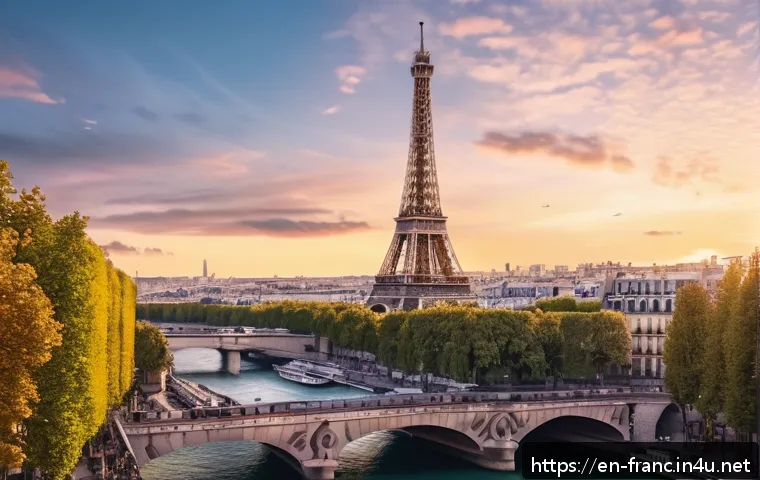
As cities worldwide continue to redefine their skylines, the Eiffel Tower remains an enduring symbol of architectural brilliance and cultural identity.
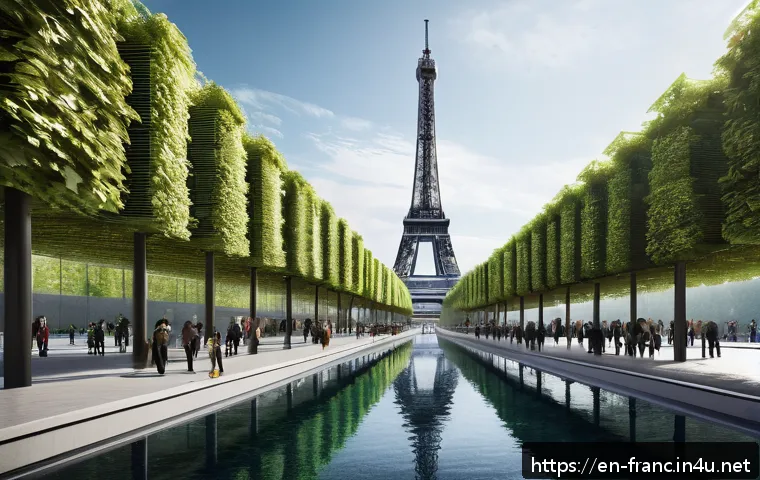
Gustave Eiffel’s genius not only revolutionized engineering but also set a timeless standard for innovation and elegance in French architecture. Today, as we witness new trends blending tradition with modernity, revisiting the story behind this iconic landmark offers fresh insights into creativity and resilience.
Join me as we explore how the Eiffel Tower’s legacy continues to inspire architects and dreamers alike, proving that true ingenuity never goes out of style.
Whether you’re an architecture enthusiast or simply curious about one of the world’s most recognizable structures, this journey promises to captivate and enlighten.
The Art of Structural Elegance
Balancing Form and Function
When you look at the Eiffel Tower, the first thing that strikes you is its sheer grace despite being made of iron. It’s fascinating how Gustave Eiffel managed to create a structure that doesn’t just stand tall but also dances with the wind.
The lattice framework isn’t just for show; it reduces wind resistance dramatically, making the tower incredibly stable. Walking beneath it, you can almost feel the careful calculation behind every beam and rivet.
From my visits, I noticed how this design approach influences modern skyscrapers, where architects strive to marry utility with aesthetics, proving that beauty and strength can coexist.
Innovative Materials and Techniques
Back in the late 19th century, using wrought iron on such a massive scale was groundbreaking. Eiffel’s team pre-fabricated parts in workshops, then assembled them on-site like a giant puzzle, which was a novel approach at the time.
This method sped up construction and ensured precision, a practice that’s now standard in construction projects worldwide. Experiencing this blend of old-world craftsmanship with forward-thinking technology gave me a new appreciation for how innovation often arises from reimagining existing tools and materials.
Symbolism Through Architecture
Beyond its physical structure, the tower conveys a story of human ambition and resilience. It was initially met with criticism, yet it became a beloved icon symbolizing France’s industrial progress and artistic flair.
Its silhouette against the Paris skyline tells a tale of daring to be different and breaking conventions. This narrative element is something I find incredibly inspiring—architecture not only shapes cities but also reflects the spirit of its people and era.
Reimagining Landmarks in a Modern World
Adaptive Reuse and Preservation
In today’s world, preserving historical landmarks while adapting them for contemporary use is a delicate balancing act. The Eiffel Tower has undergone numerous updates, including new lighting systems and visitor facilities, to enhance experience without compromising its original charm.
Visiting recently, I saw how subtle modern interventions can breathe new life into heritage sites, making them relevant and accessible for future generations.
Integrating Technology with Tradition
Modern architects often face the challenge of blending cutting-edge technology with traditional designs. The tower’s recent upgrades, such as interactive digital guides and energy-efficient lighting, illustrate how technology can enhance engagement without overshadowing the essence of the structure.
From what I’ve observed, this approach is becoming a blueprint for revitalizing other historic buildings worldwide.
The Role of Iconic Structures in Urban Identity
Iconic landmarks like the Eiffel Tower contribute significantly to a city’s identity, tourism, and economy. They serve as visual anchors that locals and visitors alike associate with a place’s character.
In my experience, cities that successfully maintain and promote such symbols tend to foster stronger community pride and attract more global interest, creating a virtuous cycle of cultural and economic vitality.
Engineering Marvels That Inspire Innovation
Pushing the Limits of Possibility
The Eiffel Tower was a testament to pushing engineering boundaries. Its design challenged the conventional limits of height and material strength at the time.
Learning about the calculations and testing that went into it, I was reminded how innovation often involves daring to explore uncharted territories. This spirit continues to inspire engineers today, encouraging them to rethink what’s possible.
Influence on Contemporary Architecture
Many modern towers and bridges owe their design principles to the Eiffel Tower’s pioneering structure. The use of exposed frameworks and modular construction techniques can be traced back to Eiffel’s vision.
From my perspective, seeing these elements in contemporary projects creates a fascinating dialogue between past and present, emphasizing continuity in architectural evolution.
Lessons in Sustainability
Though built long before sustainability became a buzzword, the Eiffel Tower’s lightweight design and efficient use of materials offer valuable lessons.
It uses less material than a solid structure of the same size would, reducing environmental impact. Reflecting on this, I realize how historical designs can inform modern sustainable practices, proving that eco-conscious architecture doesn’t always mean reinventing the wheel.
Visitor Experience: More Than Just a View
Engaging with History Through Design
Visiting the Eiffel Tower isn’t just about panoramic views; it’s an immersive encounter with history. The way the stairs spiral upwards, the intricate ironwork, and the vintage elevators all tell a story.
When I stood on the observation deck, I felt connected not only to the city but also to the generations who marveled at this feat. This emotional connection is what makes architecture truly memorable.
Modern Amenities Enhancing Comfort
Over the years, the tower has integrated restaurants, shops, and even glass floors to enhance visitor engagement. These additions create a multi-sensory experience that goes beyond sightseeing.
During my recent visit, I appreciated how these modern comforts coexist seamlessly with the tower’s original design, making the visit enjoyable for all ages.
Accessibility and Inclusivity Efforts
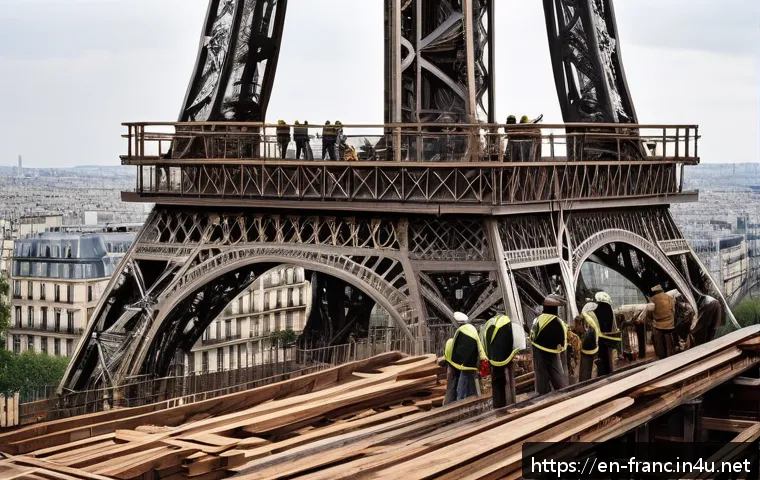
Efforts to make the tower accessible to everyone have grown considerably. Elevators and ramps ensure that visitors with mobility challenges can experience the landmark fully.
From conversations with staff, I learned that inclusivity is a priority, reflecting a broader shift in how public spaces are designed today to welcome diverse audiences.
Global Impact and Cultural Resonance
Inspiration Across Continents
The Eiffel Tower’s influence extends far beyond France. Architects worldwide cite it as a source of inspiration for its daring design and engineering prowess.
I’ve encountered numerous buildings that echo its lattice style or structural boldness, demonstrating how one landmark can shape global architectural trends.
Pop Culture and Symbolism
The tower features prominently in films, art, and literature, symbolizing romance, innovation, and resilience. Its image evokes instant recognition and emotional resonance.
Personally, I’ve always found its appearance in movies to add a layer of magic and authenticity, reinforcing its status as a cultural icon.
Events and Community Engagement
Throughout the year, the tower hosts events that celebrate French culture, art, and innovation. These gatherings create a living connection between the monument and the community.
Having attended a light show once, I experienced firsthand how such events foster a sense of shared pride and joy among locals and tourists alike.
Comparing Iconic Tower Structures
| Structure | Location | Height | Material | Year Completed | Architectural Style |
|---|---|---|---|---|---|
| Eiffel Tower | Paris, France | 324 m (1,063 ft) | Wrought Iron | 1889 | Structural Expressionism |
| Tokyo Tower | Tokyo, Japan | 333 m (1,093 ft) | Steel | 1958 | Modernist |
| CN Tower | Toronto, Canada | 553.3 m (1,815 ft) | Concrete and Steel | 1976 | Structural Expressionism |
| Burj Khalifa | Dubai, UAE | 828 m (2,717 ft) | Steel and Concrete | 2010 | Neo-futurism |
Timeless Lessons from a Masterpiece
Innovation Rooted in Vision
What stands out most about the Eiffel Tower is how it embodies a visionary approach to problem-solving. Gustave Eiffel didn’t just build a tower; he redefined what architecture could achieve.
From my experience, this kind of visionary thinking is what sets apart truly transformative projects.
Resilience Through Change
Despite initial doubts and changing times, the tower has endured and thrived. It reminds me that resilience in architecture isn’t just about materials or engineering but also about adaptability and public perception.
This lesson feels particularly relevant in today’s fast-evolving urban landscapes.
Inspiring Future Generations
Finally, the Eiffel Tower continues to inspire new generations of architects, engineers, and dreamers. Its story encourages us to embrace creativity, take risks, and respect heritage.
After visiting and reflecting on its legacy, I’m convinced that this iconic structure will remain a beacon of ingenuity for many years to come.
In Conclusion
The Eiffel Tower remains a timeless symbol of innovation, resilience, and artistic vision. Its blend of engineering brilliance and cultural significance continues to inspire people around the world. Reflecting on its story reminds us how architecture can transcend mere construction to become a living legacy. Visiting it offers not just views but a deeper connection to human creativity and history.
Helpful Information to Know
1. The Eiffel Tower uses a lattice structure that minimizes wind resistance, ensuring stability even in strong winds.
2. Prefabrication of parts was a revolutionary method in the 19th century, speeding up construction while maintaining precision.
3. Modern upgrades, like energy-efficient lighting and digital guides, enhance visitor experience without compromising heritage.
4. Accessibility improvements such as elevators and ramps make the tower welcoming to visitors with diverse needs.
5. Iconic landmarks like the Eiffel Tower play a vital role in shaping a city’s identity, attracting tourism, and fostering community pride.
Key Takeaways
The Eiffel Tower exemplifies how visionary design can push engineering limits and create enduring cultural symbols. Its adaptive reuse and technological integration demonstrate the importance of balancing preservation with innovation. Furthermore, it teaches us that sustainability and inclusivity are achievable even in historic structures. Ultimately, the tower’s legacy encourages future creators to embrace creativity and resilience in their own work.
Frequently Asked Questions (FAQ) 📖
Q: uestions about the Eiffel TowerQ1: What inspired Gustave Eiffel to design the Eiffel Tower, and how was it received initially?
A: Gustave Eiffel was driven by a desire to showcase innovative iron construction techniques during the 1889 Exposition Universelle in Paris. Initially, the tower faced criticism from many artists and intellectuals who felt it clashed with Paris’s classical aesthetic.
However, over time, it won widespread admiration for its engineering marvel and unique elegance, ultimately becoming an emblem of French creativity and resilience.
Q: How has the Eiffel Tower influenced modern architecture and engineering?
A: The Eiffel Tower set a precedent for using exposed iron frameworks, demonstrating that metal could be both functional and visually striking. Its success inspired architects worldwide to experiment with new materials and structural forms, blending tradition with innovation.
Today’s skyscrapers and landmark structures owe much to the tower’s pioneering spirit, proving that bold engineering can redefine city skylines while honoring cultural identity.
Q: What makes the Eiffel Tower a timeless symbol in the context of evolving urban landscapes?
A: The Eiffel Tower’s timelessness lies in its perfect balance of artistic vision and technical mastery. Unlike many structures that age or become obsolete, it continues to resonate because it embodies both historical significance and forward-thinking design.
As cities evolve, the tower reminds us that embracing innovation while respecting heritage can create landmarks that inspire generations of architects, dreamers, and visitors alike.