Essential Tips to Navigate French Culture and Avoid Common Travel Pitfalls on Your Next Trip to France

webmaster

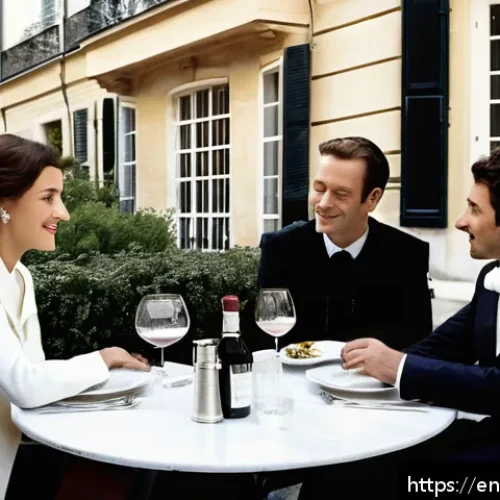
프랑스 여행 시 유의할 점 - A charming French café scene showing a diverse group of well-dressed people seated outdoors at small...

Planning a trip to France this year? With travel bouncing back stronger than ever, it’s the perfect time to immerse yourself in the charm of French culture—but beware of a few common missteps that can catch even seasoned travelers off guard.

프랑스 여행 시 유의할 점 관련 이미지 1

Whether you’re savoring a café au lait in Paris or exploring the quaint villages of Provence, understanding local customs can make all the difference.

From polite greetings to dining etiquette, these essential tips will help you navigate France like a pro. Stick around, because mastering these cultural nuances not only enriches your experience but also opens doors to genuine connections and unforgettable memories.

Understanding French Social Etiquette

The Art of Greeting

When you first meet someone in France, it’s customary to greet with a polite “Bonjour” or “Bonsoir,” depending on the time of day. Unlike some other cultures where a simple nod or wave suffices, the French place great importance on a verbal greeting.

If you are invited into a shop or a restaurant, make sure to say “Bonjour” to the staff—it’s considered rude not to acknowledge them. For friends or acquaintances, the traditional cheek kisses, known as “la bise,” usually involve two kisses, one on each cheek, but the number can vary by region.

If you’re unsure, wait and observe or follow the lead of your French companions.

Mastering Polite Conversation

The French appreciate good manners in conversation. Always start with a polite phrase like “Excusez-moi” or “S’il vous plaît” when asking for help or directions.

Avoid jumping directly into personal topics, especially with strangers. A little small talk about the weather, local cuisine, or art can warm up a conversation.

Remember, interrupting someone while they speak is considered disrespectful. Also, tone matters—a calm, respectful voice goes a long way in winning over locals.

Respecting Personal Space and Privacy

The French value their personal space and privacy highly. It’s best not to stand too close or touch someone unnecessarily, especially when you first meet.

Also, avoid overly loud conversations in public places; the French tend to keep their voices moderate. When dining or socializing, don’t pry into personal affairs unless the other person invites you to do so.

This respect for boundaries fosters trust and smoother interactions.

Advertisement

Dining Like a Local

Proper Table Manners

French dining etiquette can feel formal if you’re not used to it, but following a few simple rules can make your meal more enjoyable. Always keep your hands visible on the table, resting your wrists or forearms lightly, but never your elbows.

Use utensils for most foods—even for fruits like apples or pears, which might surprise some visitors. When finished, place your knife and fork parallel on your plate to signal you are done.

Also, avoid starting to eat until everyone is served and the host says, “Bon appétit.”

Ordering and Tipping

When ordering in a restaurant, it’s polite to address the waiter with “Monsieur” or “Madame” and to say “s’il vous plaît” when making your request. The French menu often features multiple courses, so pacing yourself is key.

Tipping is appreciated but not obligatory as service charge is usually included in the bill. Leaving a small tip, about 5-10%, is common if the service was exceptional.

It’s a nice gesture that locals will appreciate, especially in smaller cafes or bistros.

Wine and Cheese Etiquette

Wine is a big part of French culture, and knowing a bit about it can enhance your experience. When offered a glass of wine, it’s polite to sip and savor rather than gulp it down.

Cheese is usually served at the end of the meal, sometimes before dessert, and should be eaten with the provided knife and fork. Don’t mix cheeses on your plate; try each one separately to appreciate its unique flavor.

If you’re invited to someone’s home, bringing a bottle of wine or a dessert is a thoughtful way to show gratitude.

Advertisement

Navigating Public Transportation and City Life

Using the Metro and Buses

Public transportation in France, especially in cities like Paris, is efficient but can be overwhelming during rush hours. Always validate your ticket before boarding, or you risk a fine.

Keep your belongings close—pickpocketing is a common issue on crowded trains and buses. Be polite to other passengers by avoiding loud phone calls and offering seats to elderly or disabled individuals.

If you’re unfamiliar with the routes, don’t hesitate to ask staff or locals for guidance—they usually appreciate polite inquiries.

Crossing Streets and Pedestrian Rules

French drivers respect pedestrian crossings, but it’s still wise to stay alert. Pedestrians generally wait for the green man to cross, and jaywalking can be frowned upon or even fined in some areas.

When crossing in less busy towns, you might notice a more relaxed attitude, but it’s best to follow the rules to avoid any awkward situations. Also, bicycles and scooters are becoming increasingly popular, so watch out for them when walking near bike lanes.

Handling Queues and Lines

Queuing etiquette in France can feel a bit different from other countries. The French expect orderly lines, but sometimes locals may engage in quick exchanges or small talk while waiting.

Jumping the line is a definite no-no and can provoke sharp looks or comments. When entering shops or services, wait your turn patiently and be ready with payment or your request to avoid slowing down the queue.

Advertisement

Language Tips for Smooth Communication

Basic Phrases to Know

Even if you’re not fluent, learning a handful of French phrases can open many doors. Simple words like “merci” (thank you), “s’il vous plaît” (please), and “pardon” (excuse me) show respect and effort.

When asking for directions or ordering food, starting with “Bonjour” or “Bonsoir” instantly creates a friendlier atmosphere. Locals appreciate when visitors try to speak their language, even if imperfectly—it often leads to more patient and helpful responses.

Handling Language Barriers

In tourist hotspots, many people speak English, but in smaller towns or markets, French dominates. If you hit a language barrier, try using gestures or pointing to items.

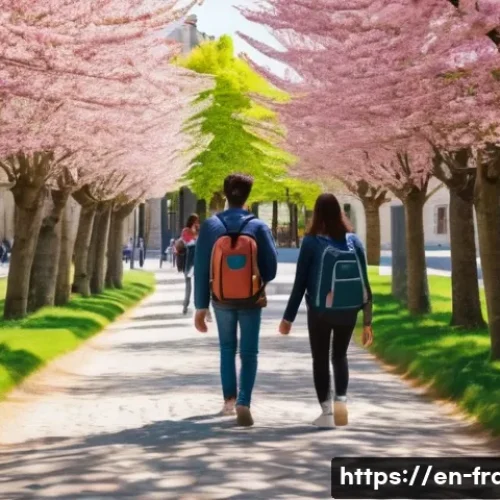
프랑스 여행 시 유의할 점 관련 이미지 2

Translation apps can be handy but don’t rely solely on them—combining technology with a warm smile and patience is key. If someone is struggling to understand you, speak slowly and clearly rather than louder.

Politeness and a positive attitude can break down many communication walls.

When to Use Formal vs. Informal Speech

French distinguishes between formal (“vous”) and informal (“tu”) forms of “you.” When addressing strangers, elders, or anyone in a professional setting, always use “vous.” Switching to “tu” usually happens only after mutual agreement or when invited to do so.

Using “tu” too soon can come off as disrespectful or overly familiar. Observing how locals interact will help you get a feel for when it’s appropriate to relax your language.

Advertisement

Shopping and Market Manners

Interacting with Vendors

Markets in France are lively and colorful, but the way you interact with vendors matters. Always greet them with a “Bonjour” before browsing. If you’re interested in an item, a polite “Combien ça coûte?” (How much does this cost?) is the best way to inquire.

Haggling is rare in fixed-price shops but can sometimes be acceptable in open-air markets—approach this delicately and with a smile. Vendors appreciate friendly conversation, so don’t hesitate to ask about the origin of products or recommendations.

Handling Payments

Cash is still king in many French markets, so carry some euros in small denominations. When paying by card, be aware some vendors may have a minimum purchase amount for card use.

When handing over money, offer it directly and politely rather than tossing it on the counter. Always say “Merci” after paying. If you receive change, count it discreetly before stepping away—mistakes can happen, and it’s easier to correct them on the spot.

Shopping Hours and Break Times

Many shops close for a long lunch break, typically between 12 PM and 2 PM, especially in smaller towns. Don’t be caught off guard by empty streets or shuttered stores during these hours.

Sundays are often reserved for rest, with many shops closed or open only for limited hours. Planning your shopping around these times will save frustration.

Larger cities and tourist areas may have longer hours, but local customs still tend to prevail.

Advertisement

Essential Safety Tips for Peace of Mind

Staying Alert in Crowded Areas

While France is generally safe, popular tourist spots can attract pickpockets and scams. Keep your bags zipped and close to your body, especially on public transport and in crowded markets.

Avoid flashing expensive jewelry or electronics openly. If someone approaches you with a suspicious offer or tries to distract you, it’s okay to politely decline and walk away.

Trust your instincts—if something feels off, it probably is.

Emergency Numbers and Resources

Familiarize yourself with local emergency numbers before your trip. In France, dial 112 for general emergencies, 15 for medical help, and 17 for police.

Many tourist areas have multilingual emergency services, but speaking some basic French phrases can speed up assistance. Also, keep contact info for your country’s embassy handy in case you lose your passport or need consular help.

Travel Insurance and Health Precautions

Having travel insurance is a smart move when visiting France. It can cover unexpected medical expenses, trip cancellations, or lost belongings. France’s healthcare system is excellent but can be costly for tourists without insurance.

If you have prescription medications, bring a copy of your doctor’s note and keep medicines in their original packaging. Staying hydrated, wearing comfortable shoes, and protecting yourself from the sun are simple ways to stay healthy while exploring.

Aspect Key Tips Common Mistakes to Avoid
Greetings Use “Bonjour”/“Bonsoir,” greet shop staff, follow local cheek kiss customs Skipping verbal greetings, being too informal too soon
Dining Keep hands visible, use utensils properly, pace your meal Starting before others, putting elbows on table, eating with hands
Transportation Validate tickets, keep belongings secure, be polite to passengers Ignoring ticket validation, loud phone calls, crowding others
Language Learn basic phrases, use formal speech appropriately, be patient Assuming everyone speaks English, rushing conversations
Shopping Greet vendors, carry cash, respect shop hours Skipping greetings, relying solely on cards, shopping during closures
Safety Stay alert, know emergency numbers, carry travel insurance Displaying valuables openly, ignoring scams, lacking insurance
Advertisement

In Conclusion

Understanding and respecting French social etiquette can greatly enrich your experience while visiting or living in France. From greetings to dining and navigating public spaces, these customs foster positive interactions and deeper cultural appreciation. Embracing these practices not only shows respect but also opens doors to genuine connections with locals. With a little effort and awareness, you’ll find your time in France more enjoyable and rewarding.

Advertisement

Helpful Information to Remember

1. Always greet people with a polite “Bonjour” or “Bonsoir” to show respect and friendliness.

2. Use proper table manners by keeping your hands visible and pacing your meal with others.

3. When using public transportation, validate your ticket and be considerate of fellow passengers.

4. Learn a few basic French phrases and use formal speech when addressing strangers or elders.

5. Stay alert in crowded places, know emergency numbers, and consider travel insurance for peace of mind.

Advertisement

Key Takeaways

Respect and politeness are the foundation of social interactions in France, from greetings to conversations. Proper dining etiquette reflects appreciation for French culture and helps avoid awkward moments. Being mindful of personal space and public behavior enhances your experience in city life and transportation. Learning when to use formal or informal language shows cultural sensitivity. Lastly, staying aware of safety precautions ensures a smooth and secure visit.

Frequently Asked Questions (FAQ) 📖

Q: What are some important French greetings I should know to make a good first impression?

A: In France, greetings are a big deal and can set the tone for your entire interaction. A simple “Bonjour” (good day) or “Bonsoir” (good evening) paired with a polite “Monsieur” or “Madame” goes a long way.
When meeting someone for the first time, a light handshake is common in professional or formal settings, while friends or close acquaintances might exchange cheek kisses called “la bise.” Just a heads up—jumping straight to “Salut” (hi) can feel too casual or even rude if you don’t know the person well.
From my own experience, starting with a warm “Bonjour” instantly made locals more receptive and friendly.

Q: Are there any dining etiquette rules I should be aware of when eating out in France?

A: Absolutely, French dining customs are steeped in tradition, and respecting them can elevate your experience. For starters, keep your hands visible (resting your wrists on the table is fine, but elbows off the table).
It’s polite to wait until everyone is served before starting your meal. Saying “Bon appétit” before eating is customary and appreciated. Also, don’t rush—meals are meant to be savored, often lasting an hour or more.
When paying, it’s usually best to ask for the check (“l’addition”) rather than expect it to be brought automatically. I’ve noticed that following these simple etiquette tips made my meals feel more authentic and helped me connect better with locals.

Q: How can I avoid common cultural faux pas while traveling in smaller French towns or villages?

A: Smaller towns have their own pace and customs, so being mindful can make all the difference. For example, shops and restaurants often close for a few hours in the afternoon, so plan accordingly.
Greeting shopkeepers with a polite “Bonjour” as you enter is essential—ignoring this can be seen as rude. Also, speaking softly and showing patience is appreciated since locals value calm and respectful interactions.
From my trips to Provence, I learned that blending in by respecting these little cultural details not only prevented awkward moments but also earned me warm smiles and helpful tips from residents.

📚 References


➤ Link

– Google Search

➤ Link

– Bing Search

➤ Link

– Google Search

➤ Link

– Bing Search

➤ Link

– Google Search

➤ Link

– Bing Search

➤ Link

– Google Search

➤ Link

– Bing Search

➤ Link

– Google Search

➤ Link

– Bing Search

➤ Link

– Google Search

➤ Link

– Bing Search

➤ Link

– Google Search

➤ Link

– Bing Search
Advertisement