France and fashion – the two are practically inseparable, aren’t they? For centuries, this incredible country has been the beating heart of global style, dictating trends and inspiring designers across the globe.
Just thinking about it, I’m absolutely captivated by how deeply ingrained fashion is in French culture, from the opulent courts of Louis XIV establishing textile industries and haute couture to modern-day Parisian chic.
It’s not just about what’s on the runway; it’s a way of life, an attitude that exudes effortless elegance and confidence. We’ve seen so much evolution, from the restrictive corsets of the early 1900s to Coco Chanel’s liberating, free-flowing designs and Christian Dior’s revolutionary “New Look” after WWII.
Even today, French fashion continues to innovate, blending high fashion with street style and championing sustainability. Honestly, the way they manage to constantly reinvent themselves while staying true to their core values of timelessness is just astounding.
But beyond the glittering world of haute couture and modern trends, there’s a fascinating story etched in the very fabric of France’s traditional clothing.
These garments aren’t just old clothes; they’re vibrant reflections of regional identities, historical events like the French Revolution, and deeply held social customs.
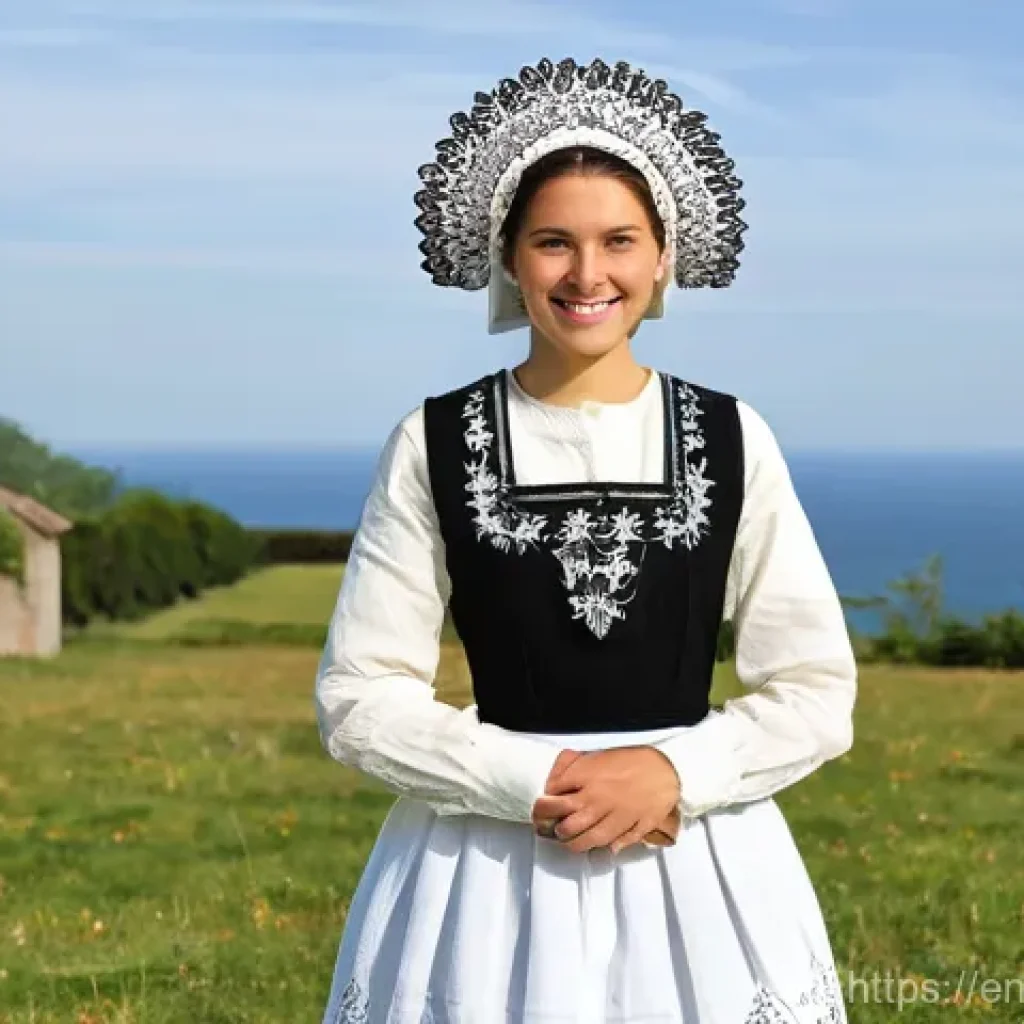
From the intricately embroidered coiffes of Brittany to the distinct styles of Alsace and Provence, each traditional outfit tells a unique tale of craftsmanship and community pride, often worn proudly during festivals and celebrations.
It truly makes you appreciate the cultural depth that underpins modern French style. Let’s find out more about this rich heritage and delve into the captivating history of French traditional costumes!
A Kaleidoscope of Regional Styles: France’s Enduring Wardrobe
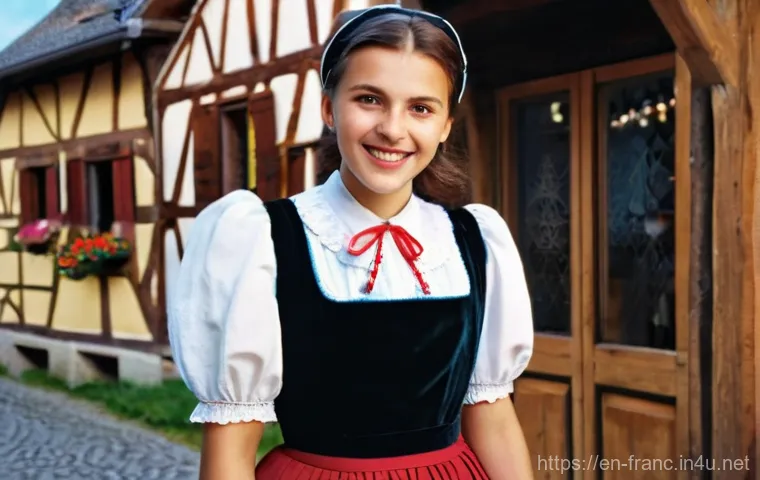
You know, whenever I think about French fashion, my mind often jumps straight to Parisian runways and chic street style. But let me tell you, diving into the world of traditional French clothing is like unlocking a secret level of cultural richness! It’s absolutely fascinating to see how each region of France developed its own distinct sartorial identity, often shaped by local resources, climate, and historical events. I’ve spent hours poring over old photographs and descriptions, and it’s clear that these garments weren’t just for practicality; they were declarations of who you were, where you came from, and even your social standing. It’s like each stitch and embellishment held a piece of local history, passed down through generations. Imagine attending a local festival and seeing a parade of these incredible outfits – it’s a living museum, really, and it tells such a powerful story about the resilience and pride of these communities. The sheer diversity is breathtaking, from the sturdy woolens of mountainous regions to the lighter, more ornate fabrics of the sun-drenched south. Every detail, from the cut of a skirt to the intricate lacework of a cap, has a reason and a history behind it. It truly makes you appreciate the depth of craftsmanship that existed long before mass production was even a whisper. For me, discovering these regional differences has been one of the most rewarding parts of exploring French heritage.
From Brittany’s Coiffes to Alsace’s Bows: Unique Headwear Stories
Speaking of regional identities, if there’s one element that truly captivates me, it’s the headwear! The traditional coiffes of Brittany, for example, are legendary. These elaborate lace caps, often towering and incredibly intricate, are more than just accessories; they’re works of art. Each village, sometimes even each family, had its own specific design, making them a visual marker of identity. Can you imagine the skill required to craft something so delicate and yet so striking? I once saw a documentary about a woman who still makes these by hand, and the sheer dedication and precision involved left me absolutely awestruck. Then you have Alsace, with its vibrant, oversized bows, often black and made of velvet, contrasting beautifully with the bright colors of the rest of the costume. It’s such a different aesthetic, reflecting the German influence in the region, and it immediately tells you a story of cross-cultural exchange. I love how these seemingly small details like a cap or a bow can carry such immense cultural weight and communicate so much without a single word. It makes you realize how much thought and care went into every aspect of traditional dress. It’s not just about covering your head; it’s about crowning your identity with history and heritage.
Provence’s Vibrant Palette: Echoes of the Mediterranean Sun
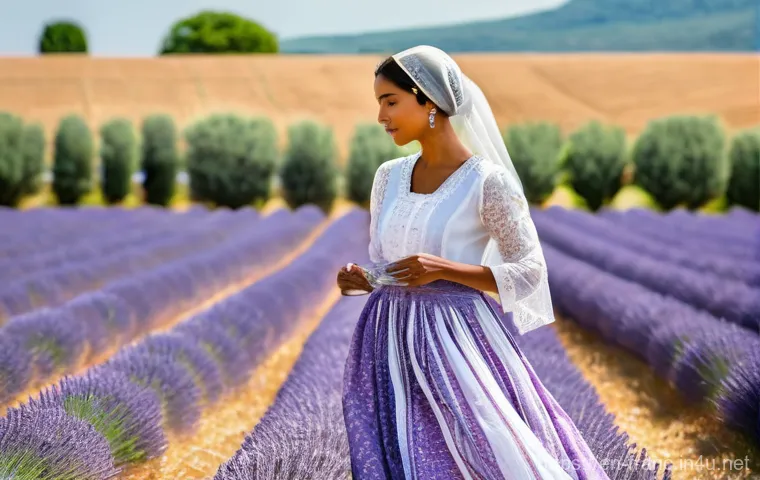
And then there’s Provence, a region whose traditional attire feels like a direct embodiment of its sunny landscapes and fragrant lavender fields. The women’s costumes, often featuring flowy, printed skirts and bodices in bright, joyful colors – think blues, yellows, and reds – immediately evoke a sense of warmth and vitality. These aren’t the subdued tones you might find further north; they’re an explosion of life, much like the region itself. I remember seeing a display of Provencal textiles once, and the patterns, often depicting florals or local scenes, were just breathtaking. It felt like holding a piece of history that was still bursting with color and energy. The use of calico and other cotton fabrics, lighter and more breathable, perfectly suits the Mediterranean climate, proving that practicality was always woven into the beauty. It’s a wonderful example of how environment directly influenced style, creating a look that’s both beautiful and perfectly adapted to its surroundings. This kind of thoughtful design, blending aesthetics with functionality, is something I truly admire and find endlessly inspiring, even for today’s fashion trends.
Beyond the Runway: The Deep Cultural Roots of French Folk Dress
It’s easy to get caught up in the glitz and glamour of modern French fashion, but what truly fascinates me is how deeply traditional folk dress is intertwined with the country’s very soul. These weren’t just clothes; they were often status symbols, indicators of marital status, wealth, or even political allegiance, especially during tumultuous times like the French Revolution. I’ve read accounts of how specific colors or embellishments could subtly signal one’s position or beliefs, a silent language spoken through fabric. It’s such a powerful reminder that fashion has always been more than just covering up; it’s a form of communication, a way to express identity and belonging within a community. I sometimes wish we had more of that intentionality in our everyday wear now, where clothing carried such immediate, rich meaning. Looking at these historical garments, you can almost feel the weight of generations of stories and traditions that went into their creation and wearing. It really hits home how clothing can serve as a direct link to the past, a tangible piece of history that continues to resonate today. The way these costumes were preserved and cherished speaks volumes about the value people placed on their heritage and collective identity.
The Everyday Attire vs. Festive Garb: Dressing for Life’s Moments
One common misconception I’ve noticed is that traditional costumes were everyday wear. While some elements certainly were part of daily life, many of the elaborate outfits we see today were reserved for special occasions – Sundays, market days, festivals, weddings, and religious ceremonies. Imagine the anticipation of putting on your finest regional attire for a major celebration! It wasn’t just about looking good; it was about honoring the event, the community, and your ancestors. Daily wear, especially for working classes, was far more practical, durable, and often made from simpler, readily available materials like wool and linen. However, even these everyday clothes often retained regional characteristics in cut or color. The shift from simpler daily attire to more ornate festive wear highlights the importance of these special occasions in community life. It really makes you think about how we dress for our own important moments now, and how much of that tradition we’ve lost, or perhaps, simply transformed. I find it so charming that people would save and meticulously maintain these beautiful garments, passing them down as treasured heirlooms, each piece telling a story of its own.
Embroidered Narratives: When Fabric Becomes a Chronicle
The level of detail in some French traditional costumes is just astounding, and the embroidery, in particular, often tells its own fascinating story. In regions like Alsace and parts of Lorraine, you’ll find intricate patterns woven or stitched into bodices and aprons. These weren’t random designs; they often incorporated symbols representing good fortune, protection, or fertility. It’s like wearing a personal talisman, or a beautifully coded message, right on your sleeve (or bodice!). I’ve seen examples where entire family histories or significant events were subtly referenced through motifs and color choices. Think about the hours of meticulous handiwork that went into creating these pieces, often by women in the community, passing down techniques from mother to daughter. This wasn’t just crafting; it was an act of preserving cultural memory and identity. It makes me wonder about the stories hidden in the clothing around us today. While we might not have such explicit narratives woven into our everyday outfits, the power of textiles to communicate remains, and this historical context really highlights that.
The Artisans’ Legacy: Preserving the Craft of French Traditional Attire
The true magic of French traditional clothing, for me, lies in the hands of the artisans who created and continue to create these exquisite pieces. We’re talking about skills passed down through generations – lacemaking, embroidery, weaving, and tailoring techniques that require incredible patience and precision. It’s a testament to human artistry and dedication. In our fast-paced world of mass production, it’s easy to forget the value of something painstakingly made by hand, often taking weeks or even months to complete. I’ve always been captivated by the idea of a master craftsperson, someone who understands every fiber and every stitch, transforming raw materials into something truly spectacular. These aren’t just clothes; they’re tangible expressions of cultural heritage, and the people who make them are the unsung heroes of French history. Supporting these artisans and their work is crucial, because once these skills are lost, they’re incredibly difficult, if not impossible, to revive. It’s a constant battle against time and changing tastes, but their dedication ensures that these beautiful traditions continue to thrive.
The Delicate Dance of Lacemaking: A Time-Honored Tradition
Oh, the lace! I simply can’t talk about French traditional costumes without mentioning the incredible tradition of lacemaking. From the delicate, intricate patterns of Calais and Alençon lace to the coarser, more robust styles found in other regions, it’s an art form that truly elevates a garment. Just imagine the skill and patience required to create those ethereal designs, often using bobbins and fine threads. It’s a meditative process, a slow dance of fingers and threads, resulting in something breathtakingly beautiful. I once tried my hand at a very simple form of bobbin lacemaking, and let me tell you, it’s far harder than it looks! My admiration for the women who mastered this craft grew tenfold. Their creations weren’t just decorative; they were often incorporated into coiffes, cuffs, and collars, adding a touch of elegance and refinement. It’s a prime example of how French craftsmanship consistently pushed the boundaries of textile art, creating pieces that were both functional and stunningly beautiful. This legacy of exquisite lacework continues to inspire designers today, proving its timeless appeal.
Weaving Tales: The Enduring Art of Regional Textiles
Beyond the lace, the very fabric of these traditional costumes often tells its own story through weaving. Many regions had their own specific textile traditions, using local fibers and dyes to create unique patterns and textures. Think of the sturdy woolens from mountainous areas, perfectly suited for cold climates, or the vibrant printed cottons of Provence. The art of weaving, whether on simple handlooms or more complex machinery, was fundamental to creating these regional looks. It wasn’t just about creating cloth; it was about imbuing it with local identity. I’ve always been fascinated by how natural dyes were used to create such a rich spectrum of colors, drawing directly from the flora and fauna of the region. This deep connection to the land, from the fibers themselves to the dyes used, made each garment a true product of its environment. Preserving these weaving techniques is vital, as they offer an invaluable insight into the ingenuity and resourcefulness of past generations, showcasing a sustainable approach to fashion long before the term became popular.
My Take: How Traditional French Fashion Inspires Modern Style
It might seem like traditional clothing and modern fashion are worlds apart, but from what I’ve observed, the threads of history are constantly woven into contemporary designs. When I look at today’s runways or even high-street trends, I often spot subtle nods to these classic French aesthetics. It’s not about replicating old costumes exactly, but rather about drawing inspiration from their timeless elegance, their emphasis on quality, and their unique silhouettes. I personally find myself looking at a beautifully tailored jacket or a classic A-line skirt and thinking about how those shapes and the attention to detail echo the enduring appeal of traditional French craftsmanship. It’s a reminder that truly good design, whether from centuries ago or yesterday, has an inherent quality that transcends trends. This continuity, this gentle evolution rather than radical reinvention, is a hallmark of French style, and it’s something I deeply admire. It reinforces the idea that true style is built on a foundation of history and a deep understanding of enduring beauty.
From Rural Charm to Urban Chic: Bridging the Style Divide
The journey from a quaint village festival to the bustling streets of Paris might seem like a giant leap in terms of fashion, but I truly believe that elements of rural charm have subtly influenced urban chic. Think about the classic French striped marinière shirt, originally worn by sailors; it’s now a quintessential piece of Parisian style. This blend of practical, rustic elements with sophisticated tailoring is something that French fashion does so well. I also see echoes of traditional silhouettes in modern pieces – a full skirt that evokes the voluminous dresses of Provence, or a structured jacket that hints at the tailored precision seen in historical regional wear. It’s not a direct copy, of course, but a sophisticated reinterpretation, a way of keeping the essence of tradition alive in a contemporary context. This ability to absorb and transform historical influences is, to my mind, one of the secrets to French fashion’s enduring global appeal. It’s a dialogue between past and present, a conversation that keeps style fresh yet rooted.
Sustainability’s Deep Roots: Lessons from Heritage Clothing
In today’s world, where sustainability is (rightfully!) a huge topic in fashion, I can’t help but look back at traditional French clothing and see how inherently sustainable it was. These garments were made to last, often hand-stitched with durable materials and repaired countless times. They were cherished, passed down, and treated as valuable possessions, not disposable items. This “buy less, choose well, make it last” philosophy was just a way of life. I find it so inspiring to think about how resources were carefully managed, how local materials were prioritized, and how clothing was deeply respected as a craft. There was no concept of “fast fashion” then; everything was slow fashion by default. It’s a powerful lesson for us today, reminding us that true sustainability isn’t just about new technologies, but about a fundamental shift in mindset – valuing quality over quantity, and appreciating the stories woven into our clothes. If we can capture even a fraction of that respect for craftsmanship and longevity, we’d be doing a huge service to our planet and our wardrobes.
Wearing Your Heritage: French Traditional Costumes in Modern Festivities
It warms my heart to see that French traditional costumes aren’t just relics of the past confined to museums; they’re very much alive and celebrated in modern-day festivities! Whenever I stumble upon videos or photos of regional festivals – whether it’s a Breton pardon, a fête in Alsace, or a celebration in Provence – I’m always struck by the vibrant display of traditional dress. It’s not just a performance for tourists; it’s a genuine expression of community pride and a way for people to connect with their roots. Seeing families, from the youngest children to the oldest grandparents, adorned in their regional attire, really brings home the idea that heritage is a living thing, constantly being renewed and celebrated. It’s a beautiful sight, full of color, music, and a palpable sense of shared history. This continuation of tradition through active participation is incredibly powerful and shows that the beauty and significance of these garments endure, proving that some things truly are timeless. It reminds us that culture is something we live and breathe, not just read about in books.
Festivals and Parades: A Living Canvas of French Tradition
The sheer spectacle of French regional festivals is something everyone should experience at least once. These events are a living, breathing canvas where traditional costumes take center stage. Imagine the Fête des Remparts in Dinan, Brittany, or the various folkloric events across the Alsace region – people don elaborate outfits, often handcrafted with incredible detail, to participate in parades, dances, and historical reenactments. It’s not just about wearing the clothes; it’s about embodying the spirit of the past, sharing stories, and keeping traditions vibrant for new generations. I’ve always found it so inspiring to see communities come together, meticulously preparing their attire, practicing their dances, and generally pouring their heart and soul into these celebrations. It’s a powerful reminder of how clothing can be a focal point for community identity and collective memory, creating a sense of belonging that transcends time. These festivals are more than just entertainment; they’re vital acts of cultural preservation.
Bridging Generations: Passing Down the Threads of History
One of the most touching aspects of these living traditions is how they bridge generations. I’ve heard stories of grandmothers teaching their granddaughters intricate embroidery techniques for a coiffe, or fathers showing their sons how to properly wear a traditional vest. This intergenerational transfer of knowledge and skill is absolutely crucial for the survival of these cultural practices. It’s not just about passing down physical garments, but also the stories, the pride, and the meaning behind them. When a young person proudly wears an outfit that has been in their family for decades, or even centuries, it’s a truly profound moment of connection to their heritage. It makes me reflect on my own family traditions and how we keep them alive. These acts of continuity are what ensure that the rich tapestry of French traditional clothing will continue to be woven for years to come, keeping the flame of history burning brightly through future generations. It’s a beautiful testament to the power of shared cultural identity.
| Region | Key Traditional Garment Features (Women) | Distinctive Elements |
|---|---|---|
| Brittany | Elaborate lace coiffes (caps), dark woolen or linen dresses/skirts, embroidered aprons, fitted bodices. | Highly varied coiffe styles by village, often tall and starched. |
| Alsace | Black velvet bows (coiffes), colorful skirts, white blouses, black velvet bodices, richly embroidered aprons. | Large, often black, “Schlupfkappe” bows; strong German influence in style. |
| Provence | Flowing printed cotton skirts (indiennes), white blouses, fitted bodices/corsets, lace shawls, often simple caps or hairnets. | Vibrant floral patterns, lighter fabrics suited for warm climate, “Arlésienne” style. |
| Normandy | Tall, pleated white linen coiffes (often called “bonnets”), dark dresses, white aprons, often dark shawls. | The iconic, often elaborate, tall coiffes varied by area like Caux. |
| Auvergne | Dark, durable woolen skirts and jackets, white blouses, sometimes specific head coverings (fichus or simpler caps). | Practical, robust clothing reflecting rural, mountainous life; often simpler in ornamentation. |
글을 마치며
Well, my friends, what a journey we’ve had through the breathtaking world of French traditional attire! It’s truly incredible how each region, with its unique stories and landscapes, wove its very essence into the fabrics and stitches of its clothing. This exploration has been a beautiful reminder that fashion is so much more than just trends; it’s a living, breathing testament to history, community, and enduring human creativity. I hope you’ve enjoyed uncovering these vibrant cultural treasures as much as I have!
알아두면 쓸모 있는 정보
1. If you’re utterly charmed by these historical garments like I am, make it a point to visit regional museums in France! Many smaller, local museums proudly display their traditional costumes, often with fascinating stories and historical context. It’s a completely different experience than seeing them in books; getting up close to the incredible embroidery and lacework is truly something special. I’ve personally found that the local guides often share the most delightful anecdotes that bring these pieces to life in a way a written description never could.
2. Planning a trip? Try to align it with a regional festival or “fête folklorique.” These vibrant events are where traditional costumes truly come alive, often worn by locals participating in dances, parades, and historical reenactments. It’s an immersive cultural experience that will leave you with unforgettable memories and a deeper appreciation for French heritage. Trust me, seeing the joyous pride in people’s faces as they wear their ancestral garments is truly heartwarming and an absolute must-see.
3. Dive into the incredible online resources available. Websites dedicated to French regional history, textile arts, and even genealogy often feature extensive archives of traditional clothing. You might be surprised to find detailed information about specific regional styles and their evolution, allowing you to explore at your own pace from anywhere in the world. It’s like having a personal library of cultural wonders right at your fingertips, perfect for those deep dives into a specific region’s sartorial history.
4. Consider supporting modern artisans who are dedicated to preserving these ancient crafts. Many talented individuals still practice traditional lacemaking, embroidery, and weaving techniques. A unique, handcrafted piece, even a small accessory, not only celebrates this heritage but also ensures these invaluable skills continue for future generations. I always feel a profound connection to the past when I hold something made with such meticulous care and historical knowledge.
5. Don’t be afraid to find inspiration for your own wardrobe! While you might not don a full coiffe for your daily errands, the timeless elegance, quality craftsmanship, and distinct silhouettes of traditional French clothing can definitely inform your modern style. Look for pieces with a classic cut, rich textures, or subtle historical nods that speak to you. It’s all about bringing that enduring charm and thoughtful design into your contemporary look in a way that feels authentically ‘you.’
중요 사항 정리
What I’ve truly taken away from exploring France’s traditional wardrobe is that these garments are far more than just fabric and thread; they are living testaments to history, identity, and the incredible artistry of generations past. Each regional costume tells a unique story, shaped by climate, local resources, and cultural influences, offering a vibrant kaleidoscope of styles from the elaborate coiffes of Brittany to the sunny patterns of Provence. It’s a powerful reminder of how deeply connected our clothing can be to our sense of self and community, acting as a silent, yet eloquent, form of communication. The dedication of artisans, the cherished family heirlooms, and the joyous celebrations at modern festivals all underscore the enduring value of these traditions. This rich legacy not only enchants us with its beauty but also offers profound lessons in craftsmanship, sustainability, and the importance of preserving our shared cultural heritage for years to come. It’s an inspiration that transcends time, proving that true style is always rooted in history and heart.
Frequently Asked Questions (FAQ) 📖
Q: What makes French traditional clothing so incredibly diverse and visually stunning across its regions?
A: You know, it’s something that truly blew me away when I first started diving into French traditional costumes – the sheer variety! We often think of France as this unified entity, but historically, it’s a patchwork of distinct regions, each with its own unique culture, resources, and even micro-climates.
This is beautifully reflected in their traditional attire. From my own travels, I’ve personally seen how a traditional outfit from Brittany, for example, with its incredibly intricate lace coiffes (headpieces) that can literally take days to starch and press, is a world away from the vibrant, sun-drenched prints you’d find in a Provençal costume.
It’s like each region had its own secret fashion code! In Alsace, for instance, you’ll see those iconic black bows on women’s heads, often signifying marital status or even the village they’re from.
And if you venture down to the Basque Country, you’ll encounter those distinctive red and white outfits, which just scream “fiesta” and community pride.
What I find truly fascinating is how these differences weren’t just about aesthetics; they often told a story about social status, occupation, and even religious beliefs.
The materials used, the embroidery techniques passed down through generations, and the very silhouette of the garments all contribute to this stunning mosaic of French heritage.
It genuinely feels like each costume is a wearable piece of history, a direct link to the ingenuity and artistry of the people who created them.
Q: How did major historical turning points, particularly the French Revolution, shape the evolution of traditional French attire?
A: Oh, this is such a brilliant question because history and fashion are so intertwined, especially in France! When we talk about major events like the French Revolution, it’s impossible to overstate its impact on what people wore – it wasn’t just a political upheaval, it was a sartorial revolution too!
Before the Revolution, especially during the Ancien Régime, court fashion was all about opulent silks, elaborate embroidery, and structures like corsets and panniers that emphasized aristocratic grandeur and wealth.
Think powdered wigs and incredibly detailed brocades. But then, boom, the Revolution hit in 1789, and suddenly, anything that smacked of aristocracy became incredibly dangerous to wear.
I’ve personally read accounts of people literally ripping the decorative trims off their clothes just to avoid being mistaken for a royalist! The new ideal became much more understated, practical, and in some ways, more democratic.
We saw the rise of simpler, often white, cotton dresses inspired by classical Greek and Roman styles – a nod to republican ideals. Even men’s fashion shifted dramatically from breeches and silk stockings to more practical trousers and simpler coats, laying the groundwork for modern menswear.
While many traditional regional costumes maintained some of their distinctiveness, even they were subtly influenced, perhaps by a shift in available materials or a general move towards less ostentatious display.
It really highlights how clothing isn’t just fabric; it’s a powerful statement of identity, loyalty, and the spirit of the times.
Q: Are these beautiful French traditional costumes just museum pieces, or are they still actively worn and celebrated today?
A: That’s a question I get a lot, and it’s a really important one because it touches on the living heart of French culture! While you might not see people walking around in full traditional garb on a daily basis in Paris – unless it’s for a special event, of course – these magnificent costumes are absolutely not just confined to museums.
From my own experience traveling through France, I’ve been incredibly lucky to witness firsthand how vibrantly these traditions are kept alive. You’ll find them proudly worn during countless regional festivals, often centered around harvest, historical anniversaries, or religious holidays.
Think about the Fête de la Bretagne, for instance, where you’ll see a stunning array of Breton costumes and hear traditional music. Or imagine the vibrant parades in Alsace, where the intricate red and black costumes are a true spectacle.
These aren’t just performances; they’re genuine expressions of regional identity and community pride. Folk dance troupes across France are also incredible custodians of these traditions, performing in authentic attire and ensuring the movements and styles are passed down.
What’s more, I’ve noticed a resurgence of interest, especially among younger generations, who are eager to connect with their heritage. Sometimes, designers even draw inspiration from these traditional elements, subtly weaving them into contemporary fashion.
So no, these aren’t just dusty relics; they’re living, breathing testaments to France’s rich cultural tapestry, celebrated with passion and joy, continuing to tell their stories for generations to come.