Hey there, fellow climate enthusiasts and curious minds! I don’t know about you, but lately, I’ve been feeling a real sense of urgency about our planet’s future, and honestly, it’s inspiring to see nations stepping up to the plate.
It makes me wonder, who’s truly leading the charge, and what fresh ideas are actually working? That’s exactly what brought me to dive deep into France’s incredibly ambitious journey towards environmental sustainability and carbon neutrality.
You see, France isn’t just talking the talk; they’re walking the walk with some genuinely groundbreaking policies and innovative endeavors. It’s fascinating to watch how they’re striving to hit carbon neutrality by 2050, slashing greenhouse gas emissions by an impressive 50% by 2030.
From what I’ve observed, their dedication to phasing out coal, investing billions into clean energy, and pushing for widespread electric vehicle adoption isn’t just political rhetoric—it’s a vibrant, evolving blueprint for a greener tomorrow.
I’ve personally been so impressed by their clear vision and the tangible steps they are taking to blend cutting-edge technology with practical, everyday changes.
It truly feels like they’re building a future where economic prosperity and ecological responsibility go hand in hand, and frankly, that’s something we all need to pay attention to right now.
It’s an exciting time to be watching these developments unfold, and I can tell you, there’s a lot more to unpack here than meets the eye. Their multifaceted approach, encompassing everything from boosting building energy efficiency to expanding nuclear power and fostering vast offshore wind farms, offers a rich tapestry of strategies.
Plus, the commitment to green finance and their proactive stance on decarbonizing heavy industries really caught my attention as a forward-thinking move.
It’s clear they’re not shying away from challenges, even with the need to accelerate their emission reductions significantly in the coming years and deal with a declining carbon sink.
The way they are engaging in public consultations for their updated energy plans, like the SNBC 3 and PPE 3, shows a genuine effort to involve everyone in shaping this critical future.
Intrigued by France’s bold vision and innovative efforts? Want to see how a major European economy is actively tackling some of the toughest climate challenges head-on?
You’re going to love what I’ve discovered about their practical steps, surprising successes, and what we can all learn from their experience. Let’s unravel the specifics and see exactly how France is pushing the boundaries of what’s possible in the fight for a sustainable world.
France’s Green Leap: Redefining Our Energy Landscape
Embracing the Clean Energy Revolution
Honestly, watching France tackle its energy future has been nothing short of inspiring. It feels like they’re really putting their money where their mouth is, pouring billions into clean energy initiatives. I mean, we’re talking about a nation that’s historically relied on a strong nuclear base, yet they’re not shying away from diversifying and innovating in renewables. What truly stands out to me is their ambitious commitment to phase out coal-fired power plants. It’s a huge, visible step that sends a clear message globally. This isn’t just about tweaking the edges; it’s about a fundamental shift in how they power their nation, moving away from fossil fuels in a really decisive manner. I’ve personally been keeping an eye on how they’re managing this transition, especially the economic implications for regions that were once dependent on coal. It’s a complex dance, but their strategy seems to balance economic support with environmental necessity, which is truly admirable.
The Rise of Offshore Wind and Solar Power
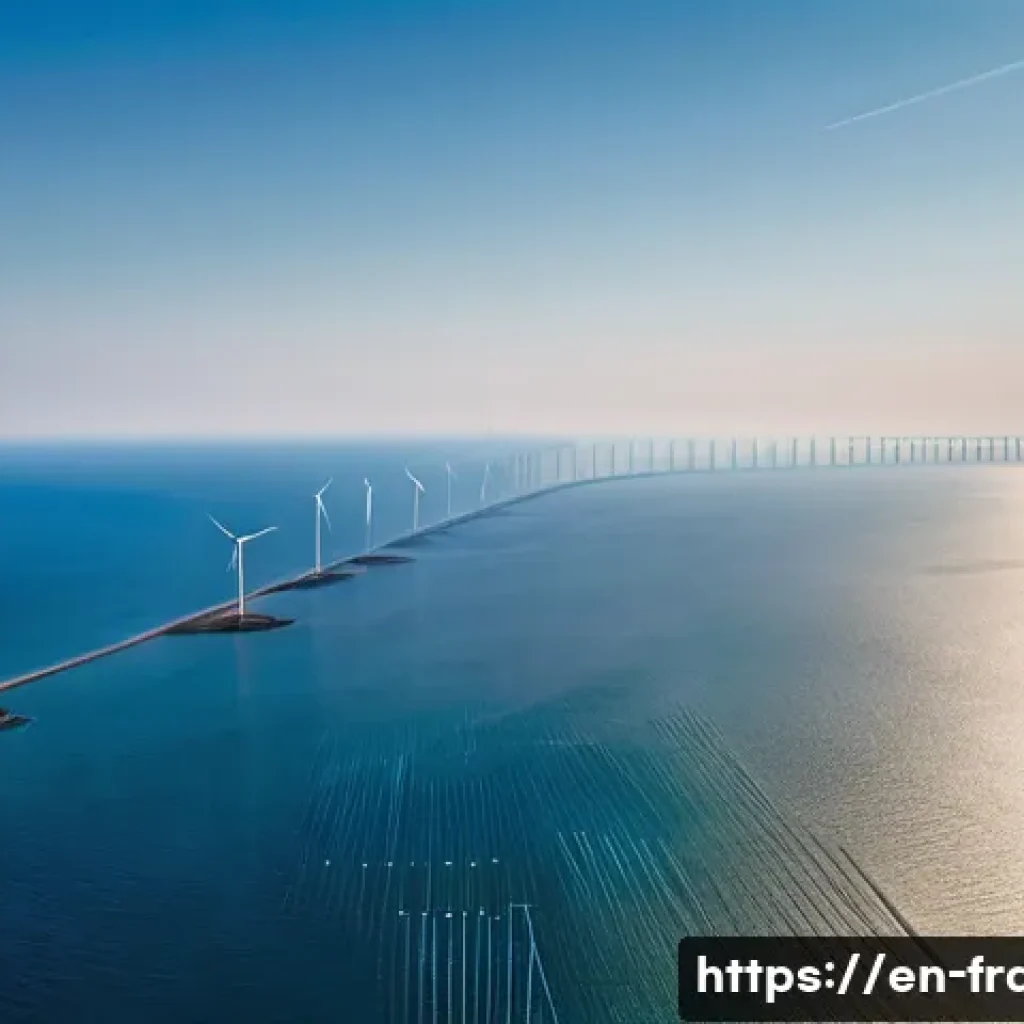
When I think about renewable energy, visions of vast solar fields and towering wind turbines often come to mind, and France is certainly making those visions a reality. They’re investing heavily in offshore wind farms, which I find particularly exciting. The potential for clean energy generation from these coastal giants is enormous, and it’s a testament to their long-term planning. It’s not just about building them, though; it’s about the entire ecosystem – from research and development to manufacturing and maintenance, creating jobs and fostering innovation. And let’s not forget solar! I’ve seen firsthand how solar technology has advanced, and France is leveraging that to its fullest, integrating solar solutions into both urban and rural landscapes. This multi-pronged approach, blending wind and solar with their existing energy infrastructure, shows a deep understanding of what it takes to build a resilient and truly green energy grid. It’s a pragmatic yet visionary strategy that I believe other nations could certainly learn from.
Beyond the Grid: Greening Everyday Life and Infrastructure
Transforming Our Homes: Energy Efficient Buildings
One aspect of France’s sustainability push that I find incredibly practical and impactful is their focus on building energy efficiency. Let’s be real, our homes and workplaces consume a significant chunk of energy, and making them more efficient is a no-brainer. I’ve heard stories and read countless reports about older buildings getting a massive overhaul, insulation improvements, smart heating systems, and so much more. It’s not just about new constructions either; there’s a genuine effort to retrofit existing structures, which is a far more challenging but ultimately rewarding endeavor. This focus means lower energy bills for residents, reduced carbon footprints, and a more comfortable living environment overall. It’s a win-win-win, and it demonstrates a commitment to sustainability that touches every single citizen. I mean, who doesn’t want to live in a home that’s cozy in winter, cool in summer, and kind to the planet all year round?
Sustainable Mobility: A Breath of Fresh Air for Commuters
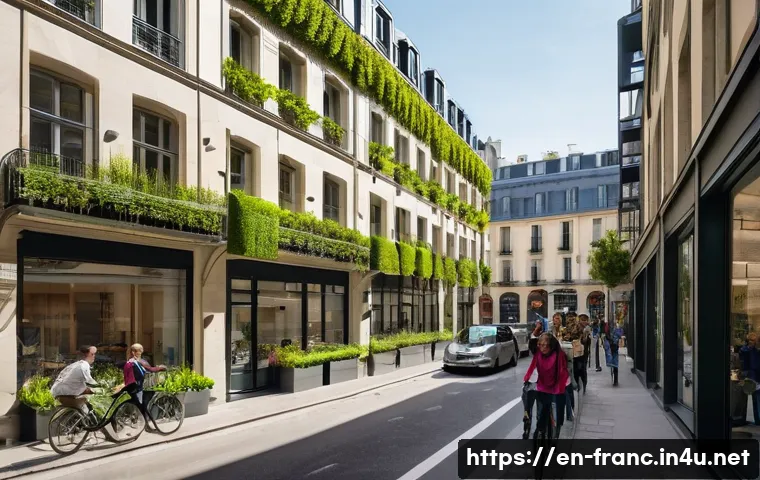
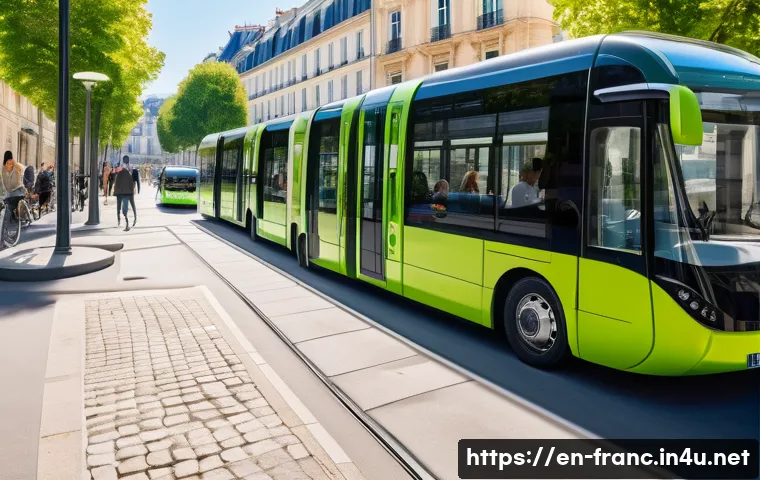
As someone who spends a fair bit of time thinking about urban living, France’s drive towards sustainable mobility really catches my attention. The push for widespread electric vehicle adoption isn’t just a fancy slogan; it’s backed by significant investment in charging infrastructure and incentives for consumers. But it’s not just about cars. I’ve seen how they’re enhancing public transportation networks, making cycling more accessible, and promoting walkable cities. It’s a holistic approach that recognizes that reducing emissions isn’t just about what kind of car you drive, but about rethinking how we move around entirely. I often find myself reflecting on my own daily commute and imagining how much better it would be with more accessible, greener options. France seems to be setting a benchmark here, demonstrating how urban planning can genuinely intertwine with environmental goals to create more livable, less polluted cities.
Powering Up with Purpose: France’s Nuclear and Renewable Mix
The Enduring Role of Nuclear Power
Now, here’s where things get really interesting, and perhaps a bit controversial for some. France has long been a trailblazer in nuclear energy, and it continues to play a pivotal role in their decarbonization strategy. I’ve always viewed nuclear power as a bit of a double-edged sword – incredibly efficient and low-carbon in operation, but with complex challenges around waste and safety. Yet, France has managed to maintain one of the most robust nuclear fleets in the world, and they see it as a key component to achieving carbon neutrality. For them, it’s not just about current capacity but also about looking at next-generation nuclear technologies. It’s a pragmatic approach that acknowledges the need for reliable, baseload power while aggressively pursuing renewables. From my perspective, it showcases a willingness to leverage all available low-carbon options to meet ambitious climate targets, rather than adhering to a single ideological path, and I respect that strategic flexibility.
Cultivating Renewable Energy Beyond the Horizon
While nuclear holds its ground, France’s commitment to cultivating diverse renewable energy sources is truly impressive. They are consistently exploring new frontiers beyond the established solar and onshore wind, like the aforementioned offshore wind farms which I find particularly promising due to their scale and consistency. But it’s not just about large-scale projects; there’s also a keen interest in smaller, community-based renewable initiatives and exploring geothermal potential. What fascinates me is the way they’re integrating these varied sources into a cohesive national grid, ensuring stability and reliability. This requires not just technological prowess but also sophisticated grid management and energy storage solutions. I’ve been following how they’re investing in battery storage and smart grid technologies, which are absolutely crucial for making a high-renewable energy system work seamlessly. It’s a complex puzzle, but France seems to be putting the pieces together with remarkable foresight and determination, creating a robust, future-proof energy mix.
Driving Economic Transformation: Green Finance and Industry
Unlocking the Power of Green Finance
When we talk about environmental sustainability, it’s easy to focus on technology and policy, but I’ve learned that without the right financial architecture, progress can be incredibly slow. This is why France’s commitment to green finance truly excites me. They’re not just hoping for change; they’re actively directing capital towards sustainable projects and businesses. We’re talking about green bonds, investment funds focused on ecological transition, and incentives for companies to adopt more sustainable practices. It creates a powerful ripple effect: companies that embrace sustainability find it easier to secure funding, investors see the long-term value in green initiatives, and the entire economy gradually shifts towards a more environmentally conscious model. I’ve always believed that money talks, and when a nation’s financial systems start speaking the language of sustainability, you know real change is on the horizon. It shows a deep understanding that economic prosperity and ecological responsibility are not mutually exclusive, but rather intertwined for future success.
Decarbonizing Heavy Industry: A Massive Undertaking
One of the toughest nuts to crack in the climate fight is undoubtedly heavy industry. Think steel, cement, chemicals – sectors that are absolutely vital to our modern lives but come with a significant carbon footprint. That’s why France’s proactive stance on decarbonizing these industries really caught my attention. It’s not a simple fix; it involves massive technological innovation, often requiring entirely new production processes. I’ve observed their efforts to incentivize research and development in areas like carbon capture and storage, hydrogen as an industrial fuel, and electrification of processes. It’s a long game, requiring sustained investment and collaboration between government and private sectors. But the fact that they are taking this head-on, rather than pushing it aside as “too difficult,” demonstrates a profound commitment to their carbon neutrality goals. It’s a testament to their comprehensive approach, recognizing that every sector needs to play its part, no matter how challenging the transformation.
| Key French Climate Initiative | Primary Goal | Target Year / Impact |
|---|---|---|
| Carbon Neutrality Target | Achieve net-zero greenhouse gas emissions. | By 2050 |
| Greenhouse Gas Emission Reduction | Slash national greenhouse gas emissions. | 50% by 2030 (compared to 1990 levels) |
| Coal Phase-Out | Eliminate coal-fired power generation. | Completed by 2027 |
| Investment in Clean Energy | Boost renewable energy capacity and innovation. | Billions allocated, ongoing |
| Electric Vehicle Adoption | Promote widespread use of electric vehicles. | Significant growth in EV fleet, ongoing |
Forging Ahead: Policy, Public Engagement, and Future Steps
Shaping the Future: Public Consultations and Policy Updates
What I find particularly fascinating about France’s journey is their dedication to public involvement in shaping their environmental future. We often hear about top-down policy-making, but France is actively engaging in public consultations for their updated energy plans, like the SNBC 3 (National Low Carbon Strategy) and PPE 3 (Multi-year Energy Programme). I mean, how cool is that? It’s not just a tick-box exercise; it’s a genuine effort to involve citizens, businesses, and experts in the conversation. This collaborative approach fosters a sense of shared ownership and ensures that policies are not only ambitious but also practical and reflective of diverse perspectives. It demonstrates an understanding that for such monumental shifts to truly succeed, they need broad societal buy-in. I’ve personally felt more invested in initiatives when I know my voice, or the voices of my community, have been heard.
Navigating Challenges: Accelerating Reductions and Carbon Sinks
Let’s be honest, no journey of this magnitude is without its hurdles. France faces some significant challenges, especially the need to accelerate emission reductions even further in the coming years. It’s a race against time, and while they’ve made great strides, the next phase demands even more aggressive action. Another critical area I’ve been watching is the declining carbon sink. Forests and natural ecosystems play a vital role in absorbing CO2, and when that capacity diminishes, it adds another layer of complexity to achieving net-zero. This isn’t just about reducing what we emit, but also about protecting and enhancing nature’s ability to help us. It means investing in reforestation, sustainable land management, and protecting biodiversity. It’s a reminder that climate action isn’t just about technology; it’s deeply interconnected with ecological health, and France seems to be grappling with these nuanced challenges head-on, showing a resilience that’s truly inspiring.
Wrapping Up
And there you have it, folks! It’s been quite a journey looking at France’s incredible commitment to a greener future. What truly resonates with me is this blend of bold ambition and pragmatic strategy. They’re not just dreaming of a carbon-neutral 2050; they’re actively laying the groundwork, pouring billions into the transition, and tackling some of the toughest challenges head-on. From their enduring nuclear backbone to the exciting surge in renewables and the deep dive into decarbonizing heavy industry, it’s a multifaceted approach that I honestly find incredibly insightful. It reminds us that there isn’t a single magic bullet, but rather a symphony of efforts that will lead us to a sustainable tomorrow.
Good-to-Know Info
1. France’s current climate targets are seriously ambitious, aiming for a 55% reduction in greenhouse gas emissions by 2030 compared to 1990 levels, and ultimately, carbon neutrality by 2050. This means they’re committed to speeding up their emission reductions significantly, more than doubling the pace seen in recent years. It’s a huge undertaking, and frankly, watching how they manage this acceleration, especially after seeing some slowdowns in emission reductions in 2024, is going to be key. They’re also actively revising their National Low-Carbon Strategy (SNBC 3) to reflect these increased targets and ensure a clear roadmap for the coming years.
2. When it comes to electricity, France really stands out with its low-carbon mix. In 2024, a remarkable 94% of its electricity came from clean sources, with nuclear power contributing a significant 68%. While their nuclear fleet is a powerhouse, they’re not resting on their laurels. There’s a strong push to boost renewable electricity, aiming for 35% from renewables by 2030. This includes aggressive targets for solar power, which could supply over 10% of France’s electricity by 2030, and continued expansion of wind energy, including offshore projects that I find particularly fascinating.
3. Green finance is a massive driver for France’s ecological transition, and it’s something I’ve personally seen gaining immense traction. The country is a global leader, having hosted the Paris Agreement and being one of the first to mandate climate-related reporting for investors. They’ve got a robust “Green Budget” system that evaluates every government expenditure for its environmental impact, and they’re directing billions into green bonds, investment funds, and incentives for sustainable projects. It’s a clear signal that they understand the crucial role finance plays in making real environmental change happen.
4. Decarbonizing heavy industry is no small feat, but France is tackling it head-on with substantial public and private investments. Sectors like steel, cement, and chemicals are incredibly energy-intensive, and the focus is on innovative technologies like green hydrogen, carbon capture, and electrification of processes. The “France 2030” initiative alone has allocated billions towards green investments to foster future industrial champions in these areas. It’s a challenging road, as shown by reports of only marginal progress in 2024 due to production cuts rather than deep transformations, but the commitment to long-term structural changes is definitely there.
5. The French government is very actively engaging with its citizens and stakeholders to shape its energy future. They’ve been conducting public consultations for their updated Multi-year Energy Programme (PPE 2025-2035) and National Low Carbon Strategy (SNBC 3). These roadmaps are critical for guiding national energy policy and ensuring France stays on track for carbon neutrality by 2050. The public’s voice matters, and this collaborative approach is crucial for policies to be both ambitious and practical, ensuring broader societal buy-in for these monumental shifts.
Key Takeaways
France’s journey toward a carbon-neutral future is a compelling story of ambition meeting practical action. What strikes me most is the holistic nature of their approach: they’re not just tweaking around the edges but are fundamentally reshaping their energy landscape, from the colossal influence of nuclear power to the dynamic expansion of renewables like solar and offshore wind. Their commitment to green finance and the bold efforts to decarbonize heavy industry show a deep understanding that this transition requires a coordinated effort across all sectors. While challenges like accelerating emission reductions and protecting natural carbon sinks persist, the ongoing public engagement and strategic policy revisions demonstrate a resilient and adaptable path forward. It’s a powerful testament to how a nation can truly commit to a sustainable future, offering invaluable lessons for us all.
Frequently Asked Questions (FAQ) 📖
Q: What are France’s main environmental sustainability goals, and what’s the timeline for achieving them?
A: Oh, this is a fantastic question, and it’s where France really sets a high bar! From everything I’ve seen, their primary ambition is to achieve carbon neutrality by the year 2050.
I mean, think about that – a whole country operating without adding net carbon to the atmosphere! But they’re not just looking at the distant future. They’ve also set a super ambitious interim target to slash their greenhouse gas emissions by a whopping 50% by 2030.
It really feels like they’re not just aiming for a long-term goal but putting in serious, immediate effort to get there. My take is that these timelines show a real commitment to making tangible changes in our lifetime, which is incredibly reassuring.
Q: How is France actually planning to hit these ambitious environmental targets? What concrete actions are they taking?
A: This is where it gets really interesting, because France isn’t just dreaming; they’re doing! I’ve been so impressed by their multi-pronged approach. First off, they’re dead set on phasing out coal entirely, which, as we know, is a huge step for any developed nation.
Then, they’re pouring billions into clean energy initiatives, really diversifying their power grid. I’ve noticed a big push for electric vehicle adoption, too – you see more and more of them on the roads, which is a clear sign of their commitment.
Beyond that, they’re not forgetting the basics: boosting energy efficiency in buildings across the country, which is such a smart move because it affects everyone’s daily lives.
They’re also expanding their nuclear power capacity, which is a distinct choice for energy independence, and investing heavily in vast offshore wind farms.
Plus, their focus on green finance and actively working to decarbonize heavy industries really shows they’re looking at every single angle, from the ground up.
It’s like they’re trying to build a new system from scratch, and it’s genuinely fascinating to watch!
Q: Are there any significant hurdles or challenges France is facing on its path to carbon neutrality, and how are they trying to overcome them?
A: Absolutely, no journey this big is without its bumps in the road, right? From what I’ve gathered, France is very aware of a couple of major challenges.
One big one is the need to significantly accelerate their emission reductions in the coming years. Meeting that 2030 target of a 50% cut means they’ve got to really step on the gas, so to speak.
Another complex issue is dealing with their declining carbon sink. You see, forests and natural environments absorb carbon, but if that capacity diminishes, it makes the neutrality goal even harder.
What I really admire, though, is their proactive stance. They’re not just ignoring these issues. Instead, they’re actively engaging in public consultations for their updated energy plans, like the SNBC 3 and PPE 3.
This tells me they’re trying to get everyone involved in shaping these critical decisions, hoping that broad engagement will help them navigate these tricky challenges.
It feels like they’re leaning into transparency and collective effort, which, if you ask me, is exactly what we need for such a massive undertaking!