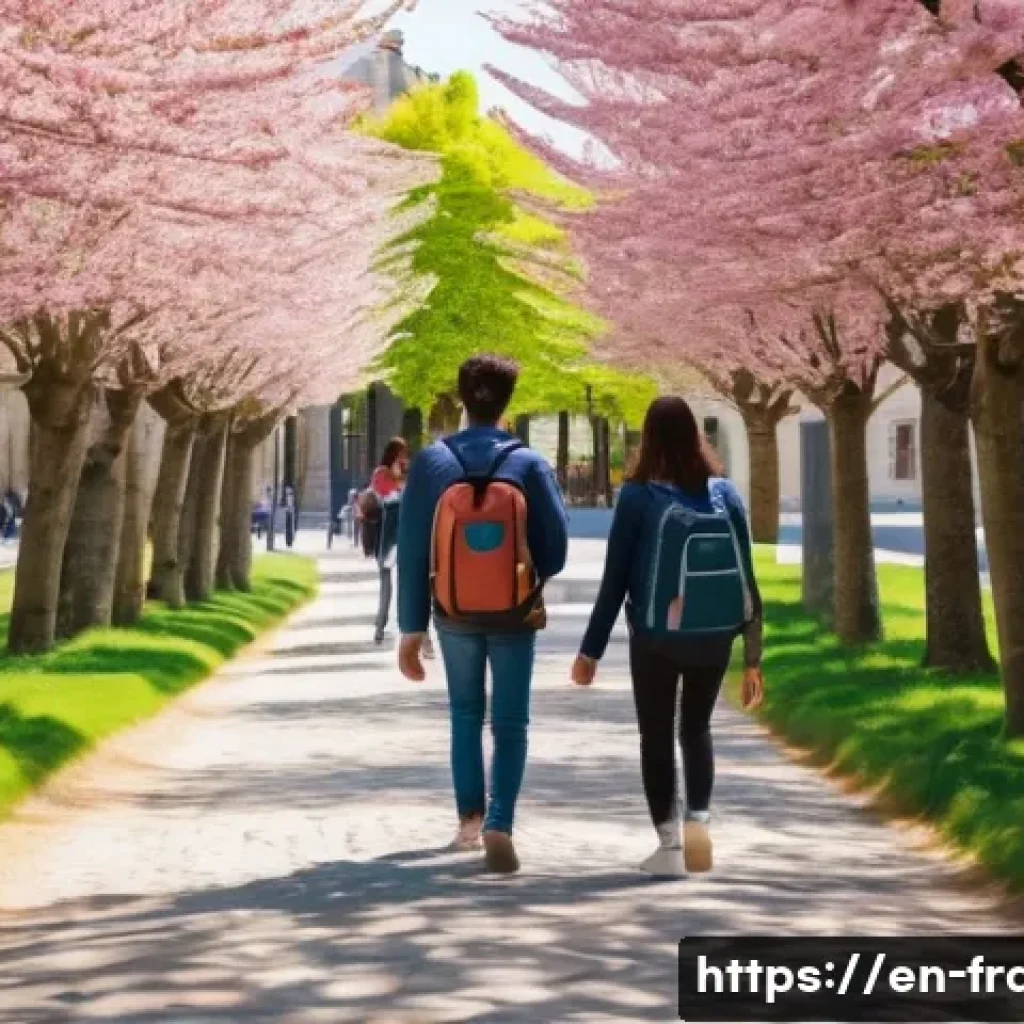
Exploring a student exchange program in France offers a unique chance to immerse yourself in one of the world’s most vibrant cultures while advancing your academic journey.
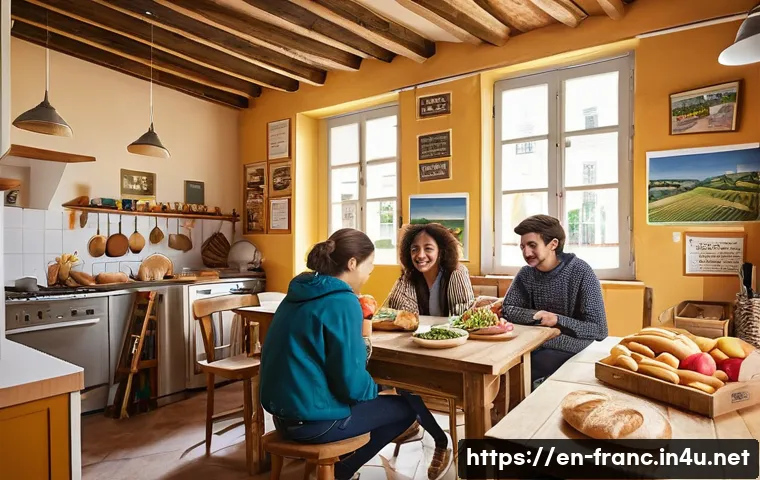
From savoring authentic French cuisine to walking the historic streets of Paris, the experience goes beyond textbooks. Participating in such a program not only boosts language skills but also builds lifelong connections and global perspectives.
Whether you’re drawn to art, history, or business studies, France provides a rich backdrop for personal and educational growth. If you’re curious about how to make the most of this opportunity, let’s dive into the details below and uncover everything you need to know!
Choosing the Right University and Program in France
Understanding the French Higher Education System
Getting familiar with how universities in France operate can really set you up for success. Unlike some countries where universities focus heavily on broad liberal arts education, French institutions often emphasize specialized fields from early on.
This means when you pick your program, you’re diving into a focused area of study, which can be both challenging and rewarding. Public universities tend to offer a wide range of courses with relatively low tuition fees, while Grandes Écoles, France’s elite institutions, often have competitive admissions and are more specialized in fields like business, engineering, or political science.
Knowing this helps you target the university that fits your academic goals and learning style.
Factors to Consider When Selecting a Program
When I first looked into exchange options, I realized that factors beyond academics matter just as much. Think about the city’s vibe, the campus culture, and the support services for international students.
For example, studying in Paris offers unparalleled cultural experiences but might come with a higher cost of living and a fast-paced environment. On the other hand, cities like Lyon or Bordeaux provide a more relaxed atmosphere and often a closer-knit student community.
Also, check if the program offers courses in English or if you’ll need a solid grasp of French. Some programs require language proficiency exams like DELF or DALF, so preparing early is key.
Application Process and Timeline Tips
The application timeline can be tricky if you’re new to international studies. Typically, exchange programs have deadlines several months before the semester starts—usually around November or December for spring intake, and April or May for fall intake.
I found it helpful to create a checklist that included gathering transcripts, letters of recommendation, and proof of language proficiency. Don’t underestimate the time needed for visa applications and accommodation arrangements either.
Starting early not only reduces stress but also increases your chances of securing your preferred program and housing options.
Immersing Yourself in French Culture Beyond the Classroom
Living Like a Local: Daily Life and Social Customs
One of the coolest parts of studying in France is discovering how locals live day-to-day. I quickly learned that French culture places great importance on meal times and social interactions.
Lunchtime, for instance, is often a lengthy, relaxed affair, giving you a chance to connect with friends and classmates. Greeting people with a polite “Bonjour” and using “vous” instead of “tu” in formal settings can open doors and build respect.
Weekend markets, neighborhood cafés, and local festivals offer fantastic opportunities to mingle and soak up authentic French vibes that you won’t find in any guidebook.
Mastering the French Language in Real Situations
Language learning is so much more effective when you’re actually living where it’s spoken. While classroom lessons provide a foundation, I found that everyday interactions like ordering at a boulangerie or asking for directions sharpened my skills and boosted my confidence.
Don’t be afraid to make mistakes—French people appreciate your effort to speak their language. Plus, many universities offer language exchange programs or conversation groups where you can practice with native speakers, which was a game changer for me.
Exploring French Cuisine and Traditions
Food is undoubtedly a huge part of French culture, and experiencing it firsthand is a delight. From flaky croissants in the morning to hearty coq au vin dinners, each region has its specialties.
I remember joining a cooking workshop in Lyon and realizing how much pride goes into traditional recipes. Beyond food, participating in cultural celebrations like Bastille Day or local wine festivals can deepen your understanding of French heritage and create unforgettable memories.
Navigating Housing and Daily Living in France
Types of Accommodation Available for Exchange Students
Finding a comfortable place to stay is crucial for a smooth exchange experience. Options range from university dormitories and private student residences to shared apartments or homestays with French families.
University housing often offers convenience and affordability but might be limited in availability. Private rentals give more independence but can be pricier and require navigating contracts in French.
Homestays provide a unique cultural immersion but may demand flexibility and openness to different lifestyles. Personally, I opted for a student residence because it was close to campus and helped me meet other international students.
Managing Daily Expenses and Budgeting Tips
France can be more expensive than some might expect, especially in major cities. Groceries, transportation, and leisure activities add up quickly if you’re not careful.
I found that shopping at local markets and cooking at home saved a lot compared to eating out every day. Also, investing in a monthly public transport pass was a smart move, giving me unlimited access to buses and metros without worrying about tickets.
Keeping track of your spending with an app or journal can help you avoid surprises and enjoy your time without financial stress.
Essential Services and Practical Advice
From setting up a French bank account to getting a SIM card, there are several practical steps to take once you arrive. Registering with the university’s student health service is important, as France has an excellent healthcare system, and you’ll want to be covered in case of illness.
I also recommend downloading apps for local transport schedules and language translation—it made my first few weeks much easier. Lastly, be prepared for some bureaucratic paperwork; patience is key, but it’s all part of the adventure.
Building Academic and Personal Growth Through the Exchange
Enhancing Language Proficiency and Communication Skills
One of the biggest benefits of an exchange program is the boost it gives to your language skills. Immersion forces you to think and respond in French daily, accelerating your learning far beyond what classroom study alone can achieve.
I noticed my vocabulary and pronunciation improved significantly just by engaging in casual conversations and attending lectures. This practical experience also sharpened my listening and comprehension abilities, which are crucial for academic success and professional opportunities later on.
Developing Cross-Cultural Competence
Living and studying in a foreign country challenges you to navigate different cultural norms and perspectives. This exchange pushed me to become more adaptable and open-minded.
I learned to appreciate diverse viewpoints, resolve misunderstandings tactfully, and collaborate with people from various backgrounds. These soft skills are invaluable, not just in academics but also in the global job market.
The friendships I formed with students from all over the world enriched my worldview and continue to influence me today.
Leveraging Academic Resources and Support Systems
French universities often provide excellent academic support, including tutoring, libraries, and study groups. Taking advantage of these resources helped me stay on top of coursework and deepen my understanding of complex topics.
Many institutions also offer workshops on academic writing and research methods tailored for international students. Don’t hesitate to reach out to professors and advisors—they can be great allies in your academic journey and may offer guidance on internships or future study plans.
Travel and Exploration Opportunities During Your Stay
Weekend Trips and Regional Discoveries
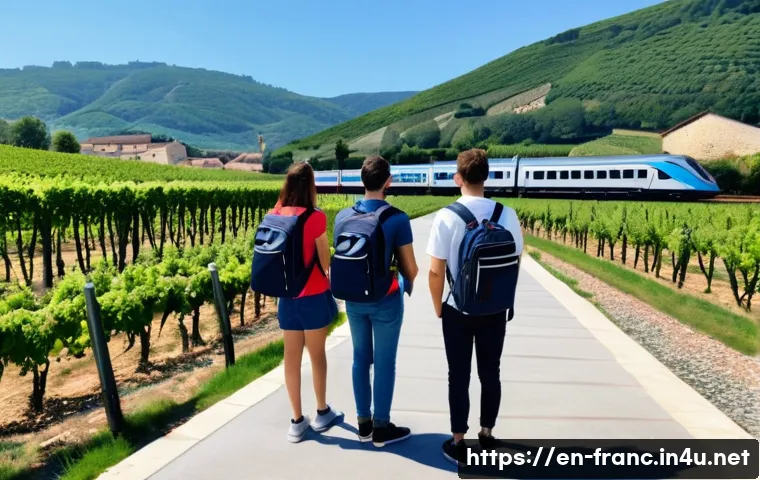
One of the perks of living in France is the ease of exploring nearby cities and countryside on weekends. High-speed trains connect you to charming towns like Strasbourg, Nice, or Avignon in just a few hours.
I took advantage of this by planning trips during breaks, which gave me a deeper appreciation for France’s rich history and landscapes. Whether it’s wandering through vineyards in Bordeaux or hiking in the French Alps, these adventures add another layer of excitement to your exchange experience.
Tips for Budget-Friendly Travel
Traveling around Europe from France can be surprisingly affordable if you plan smartly. Booking train tickets in advance, using discount passes, or opting for budget airlines can save you a lot.
I found that traveling with friends helped split costs for accommodation and transportation. Staying in hostels or budget hotels, and exploring free or low-cost attractions also made my trips more wallet-friendly.
Remember to always check for student discounts—many museums, public transport systems, and cultural sites offer them.
Balancing Travel with Academic Responsibilities
While it’s tempting to explore every corner of France and Europe, balancing travel with your studies is essential. I scheduled my trips during official holidays or weekends to avoid missing classes and falling behind.
Prioritizing assignments and communicating with professors if you need flexibility made a huge difference. This balance helped me enjoy both academic growth and personal enrichment without feeling overwhelmed or stressed.
Practical Guide to Visa and Legal Requirements
Understanding the Student Visa Process
Securing the right visa is a critical step for any exchange student in France. The student visa process usually involves submitting proof of enrollment, financial means, and accommodation details.
I remember that gathering all the documents and scheduling an appointment at the consulate took time, so starting early was a lifesaver. The long-stay visa also often requires you to validate your visa after arrival, which is a step not to overlook.
Being thorough and organized with paperwork can prevent headaches down the road.
Health Insurance and Medical Coverage
France has a robust healthcare system, but it’s important to have proper health insurance coverage. Most exchange students are required to enroll in the French social security system or provide proof of equivalent coverage from their home country.
I found that registering for student health insurance gave me peace of mind and access to quality care at reduced costs. Keep copies of your insurance documents handy, and learn where the nearest medical centers are located—just in case.
Rights and Responsibilities as an International Student
Knowing your rights and responsibilities helps you navigate your stay confidently. For example, your visa status often limits how many hours you can work while studying, so it’s good to be aware of these rules.
Universities typically provide orientation sessions explaining these aspects, and I recommend attending them to stay informed. Respecting local laws and cultural norms not only ensures a smooth experience but also shows your respect for your host country, which can lead to positive interactions and support.
Summary of Key Aspects of French Exchange Programs
| Aspect | Details | Tips |
|---|---|---|
| University Types | Public universities, Grandes Écoles, specialized institutions | Match program focus and campus culture with your goals |
| Language Requirements | Courses in French or English; DELF/DALF tests may be needed | Start language prep early; use immersion opportunities |
| Accommodation Options | Dormitories, private rentals, homestays | Consider budget, independence, cultural immersion |
| Visa Process | Student visa application, document submission, validation | Begin early; keep track of deadlines and paperwork |
| Cost of Living | Varies by city; Paris is more expensive | Budget wisely; use public transport passes and cook at home |
| Travel Opportunities | Easy access to French regions and Europe via train/plane | Plan trips around academic schedule; seek student discounts |
| Support Services | Academic tutoring, health services, language exchanges | Utilize resources fully; engage with professors and peers |
글을 마치며
Studying in France offers an incredible blend of academic rigor and cultural richness that can transform your personal and professional life. By choosing the right university and program, immersing yourself in local customs, and managing practical aspects wisely, you set the stage for a truly rewarding experience. Remember, the challenges you face will only deepen your growth and open doors to new opportunities. Embrace every moment, and let this journey shape your future in meaningful ways.
알아두면 쓸모 있는 정보
1. Start preparing your language skills early, especially if your program requires French proficiency tests like DELF or DALF.
2. When budgeting, prioritize cooking at home and using public transportation passes to save money.
3. Take advantage of university support services such as tutoring, language exchanges, and health coverage for a smoother stay.
4. Plan your travels during academic breaks and always look for student discounts to make exploring more affordable.
5. Stay organized with your visa and paperwork to avoid last-minute stress and ensure legal compliance throughout your exchange.
중요 사항 정리
Choosing the right university and program in France depends on your academic focus and lifestyle preferences, so research carefully. Language preparation is essential, as many programs require French proficiency. Accommodation options vary in cost and experience; pick what aligns with your needs. Early planning for visa applications and budgeting will ease your transition. Lastly, balancing academics with cultural immersion and travel will maximize the benefits of your exchange experience.
Frequently Asked Questions (FAQ) 📖
Q: What are the main benefits of joining a student exchange program in France?
A: Joining a student exchange program in France offers a unique blend of academic enrichment and cultural immersion. Beyond improving your French language skills, you get to experience daily life in a country known for its art, history, and cuisine.
This exposure broadens your worldview, helps you build international friendships, and often enhances your resume with global experience. Personally, I found that living in France challenged me to adapt and grow in ways classroom learning alone never could.
Q: How can I prepare for the cultural differences I might face while studying in France?
A: Preparing for cultural differences starts with research—understand French customs, etiquette, and social norms before you go. For example, the French value politeness and formal greetings, so mastering simple phrases like “Bonjour” and “Merci” goes a long way.
Once there, stay open-minded and observe how locals interact; it helps to ask questions when unsure. I remember feeling a bit overwhelmed at first, but by embracing the differences rather than resisting them, I quickly felt at home and even started adopting some French habits myself.
Q: What should I expect academically during a student exchange in France?
A: Academically, you’ll likely encounter a different teaching style compared to what you’re used to. French universities often emphasize critical thinking and independent study, with less frequent but more comprehensive exams.
Classes might feel intense, but they encourage deeper engagement with the subject. When I studied there, I noticed that professors expected active participation and original thought, which pushed me to develop stronger analytical skills.
It’s a great chance to challenge yourself and expand your academic horizons.