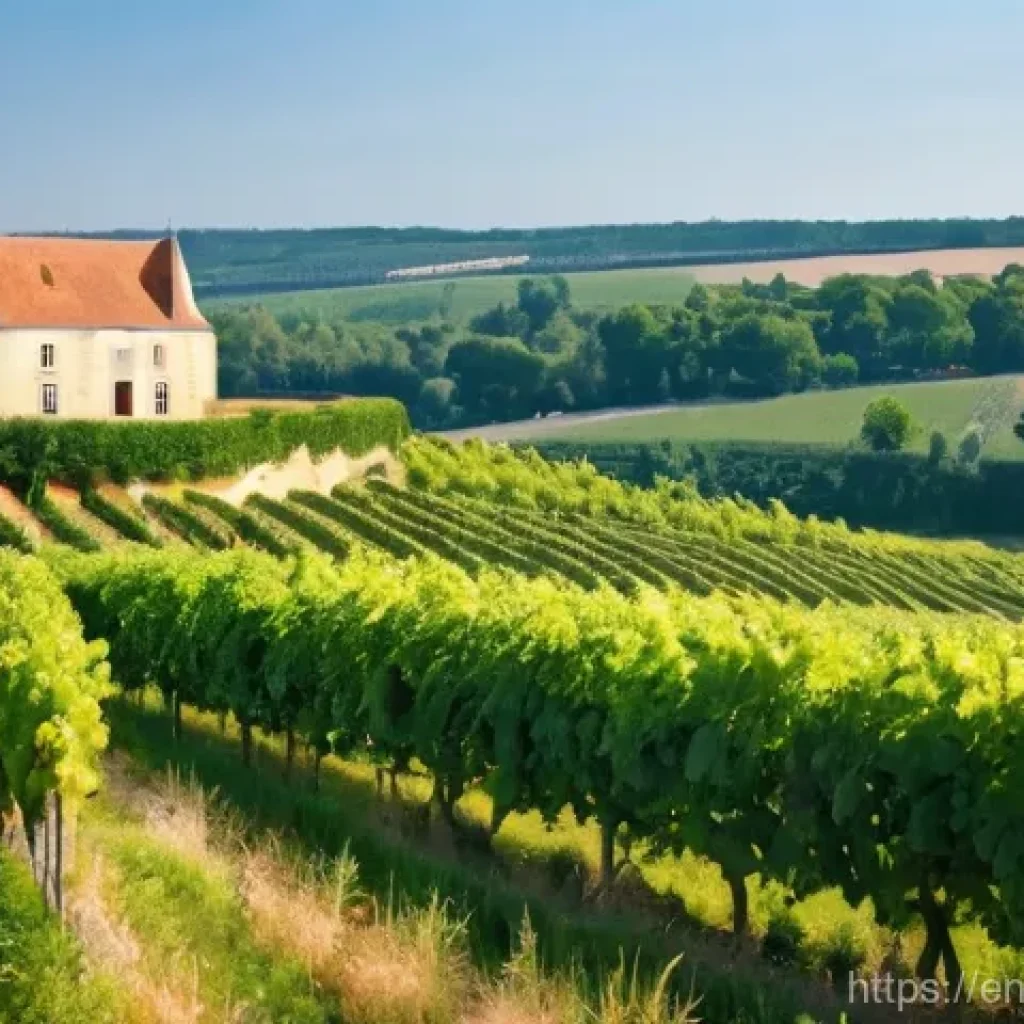
Hey, wine lovers and travel enthusiasts! There’s just something truly magical about stepping into a sun-drenched French vineyard, isn’t there? I mean, who *hasn’t* dreamt of sipping a perfect glass of Bordeaux right where it’s made, or exploring the charming, winding roads of Burgundy, glass in hand?
I’ve personally found that diving deep into France’s wine regions offers so much more than just a tasting; it’s a sensory journey that connects you with centuries of history, passionate winemakers, and breathtaking landscapes.
Forget those stuffy, old-fashioned tours – today’s French wine experiences are all about immersive adventures, from sustainable vineyards offering organic sips to boutique stays nestled among the vines.
The world of French wine tourism is absolutely buzzing with exciting new ways to explore, taste, and truly live the ‘art de vivre’. Trust me, if you’re looking for an authentic escape that tickles all your senses, France’s wine country is calling your name louder than ever.
We’re seeing more people than ever seeking out these unique, personalized encounters, moving beyond the usual tourist spots to discover hidden gems and truly connect with the terroir.
So, whether you’re a seasoned oenophile or just starting your wine journey, get ready to uncork some incredible experiences. Let’s explore exactly how to plan your perfect French winery adventure and uncover some exquisite recommendations!
Uncorking the Magic: My Journey Through France’s Diverse Wine Regions
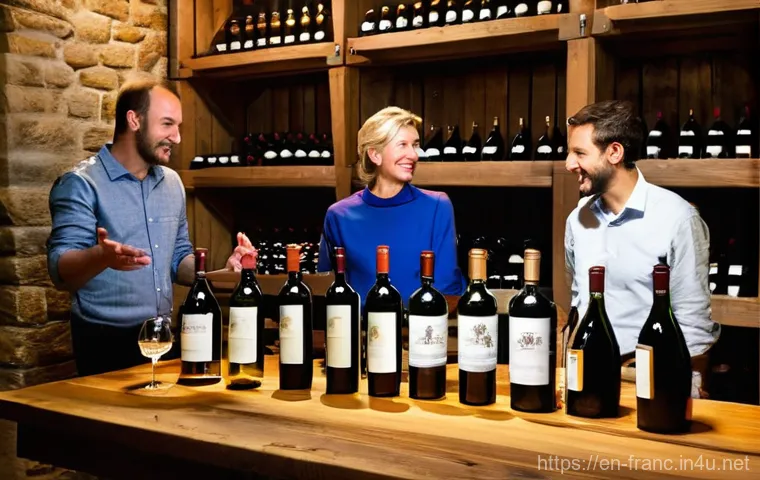
Beyond Bordeaux: Discovering Hidden Gems
Oh, Bordeaux. It’s iconic, isn’t it? When I first started dreaming of French wine country, Bordeaux was the first name that popped into my head, like it does for so many of us.
And don’t get me wrong, it absolutely lives up to the hype! The grand châteaux, the rich, powerful reds – it’s a quintessential experience. But what truly blew me away on my last trip was venturing off the well-trodden path.
I remember one unforgettable afternoon driving through the sun-drenched hills of Gaillac, a lesser-known region in the Southwest. The winemakers there were so incredibly passionate, sharing their unique local varietals like Braucol and Loin de l’Oeil with such pride.
It felt like I’d stumbled upon a secret society, and every sip was a revelation. It’s this kind of discovery that makes French wine tourism so exhilarating.
You truly feel like you’re earning your stripes as a wine explorer when you find these charming, often family-run vineyards that aren’t plastered on every postcard.
Seriously, don’t be afraid to ask locals for their favorite hidden spots; those are often where the real magic happens, and where you’ll find wines with truly unique character and a story you’ll cherish.
Loire Valley’s Charms and Sparkling Secrets
If Bordeaux is the robust patriarch, then the Loire Valley is its elegant, versatile cousin. This region completely captivated me with its fairytale châteaux, gentle rivers, and incredibly diverse wines.
I’ve always had a soft spot for sparkling wines, and the Cremant de Loire absolutely stole my heart. There’s something so sophisticated yet utterly joyful about a glass of fine bubbles on a warm afternoon overlooking a medieval castle.
I also fell head over heels for the crisp, mineral-driven Sancerres and Pouilly-Fumés – perfect for a picnic by the river, which I did more than once, I confess!
The winemakers here often have a more approachable, personal touch, too. One small, organic vineyard near Chinon taught me so much about sustainable viticulture, and their Cabernet Franc was just… chef’s kiss.
It felt less like a formal tasting and more like sharing a drink with old friends. The sheer variety here means there’s something for every palate, from dry whites to sweet dessert wines, and it’s all wrapped up in some of France’s most stunning scenery.
It’s a place where you can truly immerse yourself, cycling between vineyards and lingering over long, delicious lunches. The easy-going pace here is perfect for those who want to relax and soak it all in without feeling rushed.
Planning Your Perfect Grape Escape: A Practical Guide
Navigating the Logistics: Transport and Accommodation
Alright, let’s talk brass tacks. Dreaming of French vineyards is one thing, but making it happen requires a little savvy planning. From my own experience, I’ve found that renting a car is almost non-negotiable if you truly want to explore off the beaten path.
While trains connect major cities, those charming, tiny wineries are often tucked away down winding country roads. Just remember to designate a driver, or book guided tours that handle transport so everyone can indulge!
As for where to rest your head, the options are endless and utterly enchanting. I’ve stayed in everything from quaint, family-run B&Bs nestled directly in the vineyards (waking up to the smell of grapes, seriously, it’s amazing!) to luxurious château hotels that make you feel like royalty.
My top tip? Look for accommodations that offer direct vineyard experiences, like on-site tastings or cooking classes. It just adds another layer to the immersion.
Don’t forget to book well in advance, especially if you’re traveling during peak season (spring and fall), as the best spots fill up quickly. Using sites like Booking.com or Airbnb with specific “vineyard” or “wine country” filters can yield some incredible finds.
When to Visit: Seasons and Festivals
Timing is everything when it comes to a wine trip, and France’s seasons each offer something unique. Spring (April-May) is beautiful, with blooming vineyards and fewer crowds – perfect for leisurely drives and crisp, fresh whites.
Summer (June-August) is buzzing with activity and sunshine, but also higher prices and more tourists. If you love a lively atmosphere and don’t mind the heat, it’s great, but book everything way ahead.
For me, though, nothing beats autumn (September-October) – vendange, or harvest season! The air is alive with the scent of grapes, the colors of the changing leaves are breathtaking, and you might even catch a glimpse of the harvest in action.
I was lucky enough to witness a small harvest festival in Beaujolais once, and the energy was electric. Winter (November-March) is quieter, with many vineyards offering cozy, indoor tastings and often lower prices, but some might have reduced hours.
Consider what kind of atmosphere you’re looking for, and plan accordingly. Each season offers a different facet of French wine country’s beauty, so think about what kind of memories you want to create!
Sip, Savor, and Stay: Immersive Experiences on Offer
From Vineyard Walks to Blending Workshops
Gone are the days when a winery visit simply meant a quick tasting at a bar. Today’s French wine experiences are all about getting your hands dirty (metaphorically, mostly!).
I’ve had some of the most memorable moments walking through rows of vines with the winemaker, hearing their personal stories and philosophies. It connects you to the land in a way a simple tasting never could.
And for those who love to get creative, blending workshops are an absolute blast! I once tried my hand at blending my own Bordeaux-style red, and let me tell you, it gave me a whole new appreciation for the art and science behind winemaking.
It’s much harder than it looks, but so much fun. Many estates also offer gourmet picnics amongst the vines, cooking classes featuring local ingredients, and even art installations within their cellars.
These experiences aren’t just about drinking wine; they’re about understanding its soul, from grape to glass, and truly experiencing the French “art de vivre.” It’s these personalized touches that elevate a trip from merely good to absolutely unforgettable.
Trust me, spending an afternoon learning how to prune vines or age wine will give you bragging rights for years!
Boutique Stays and Gastronomic Delights
What truly rounds out a French wine adventure is embracing the full gastronomic journey. I’m not just talking about pairing wine with cheese (though, of course, that’s a non-negotiable!).
Many vineyards now offer stunning boutique accommodations, often in beautifully restored farmhouses or historic estates. Imagine waking up to vineyard views, enjoying a breakfast of local pastries and coffee, and then heading straight out for a tasting just steps away.
It’s pure bliss. I found a tiny guesthouse in Alsace once, run by an elderly couple who also made their own incredible Riesling, and they treated me like family.
Then, there’s the food! From Michelin-starred restaurants nestled in the heart of wine country to charming village bistros serving up hearty regional specialties, every meal is an opportunity to explore the local terroir.
Don’t be afraid to ask for recommendations from the locals; they always know the best spots. This complete immersion – wine, food, and hospitality – is what makes France truly special.
Don’t rush your meals; in France, dining is an experience to be savored, just like the wine itself.
| Wine Region | Signature Wines | Typical Experience | Best For |
|---|---|---|---|
| Bordeaux | Cabernet Sauvignon, Merlot blends | Grand château tours, structured tastings | Classicists, serious collectors |
| Burgundy | Pinot Noir, Chardonnay | Smaller, family-run domains, terroir exploration | Connoisseurs, foodies |
| Champagne | Champagne (of course!) | Historic cellars, prestigious houses, effervescent celebrations | Celebrations, luxury seekers |
| Loire Valley | Sauvignon Blanc, Cabernet Franc, Chenin Blanc | Château visits, varied styles, picturesque landscapes | Versatile palates, scenic travelers |
| Alsace | Riesling, Gewürztraminer, Pinot Gris | Alsace Wine Route, aromatic whites, German influence | Aromatic wine lovers, charming villages |
Sustainable Sips: Eco-Friendly Wineries Leading the Way
Meeting the Pioneers of Organic and Biodynamic Wine
For me, finding wineries that champion sustainability has become incredibly important. It’s not just a trend; it’s a movement towards a healthier planet and, frankly, better-tasting wine.
On my last trip to Provence, I sought out several organic and biodynamic estates, and the passion of the winemakers was palpable. They weren’t just producing wine; they were nurturing their land, respecting the delicate balance of nature.
I spoke with one young winemaker who explained how they use lunar cycles for vineyard tasks and natural remedies instead of chemicals, and their rosé was vibrant, alive, and utterly delicious – truly a reflection of their philosophy.
It’s an inspiring experience to see how committed these producers are, often going against conventional wisdom to ensure their land thrives for generations to come.
When you taste a wine crafted with such care and respect for the environment, it just feels different, more authentic. It’s a powerful connection between the earth, the vine, and your glass, and it truly makes the experience so much richer.
How to Support Responsible Wine Tourism
So, how can you, as a traveler, support this incredible movement? It’s easier than you think! Start by researching wineries that are certified organic (Bio) or biodynamic (Demeter or Biodyvin labels).
Many regions now have dedicated routes or guides for sustainable wineries. When you visit, engage with the winemakers about their practices. Ask questions!
I’ve found that they love sharing their knowledge and commitment. Opt for smaller, family-run estates, as they often have a more personal stake in maintaining the health of their land.
And when you purchase wine, choose bottles from producers who align with your values. It’s a wonderful way to vote with your wallet and encourage more sustainable practices across the industry.
Plus, these wines often tell a more compelling story and offer a unique tasting experience that you simply won’t find anywhere else. I truly believe that by choosing responsibly, we can all contribute to preserving the beauty and integrity of France’s wine country for years to come.
The Art of the Palate: Mastering French Wine Tasting
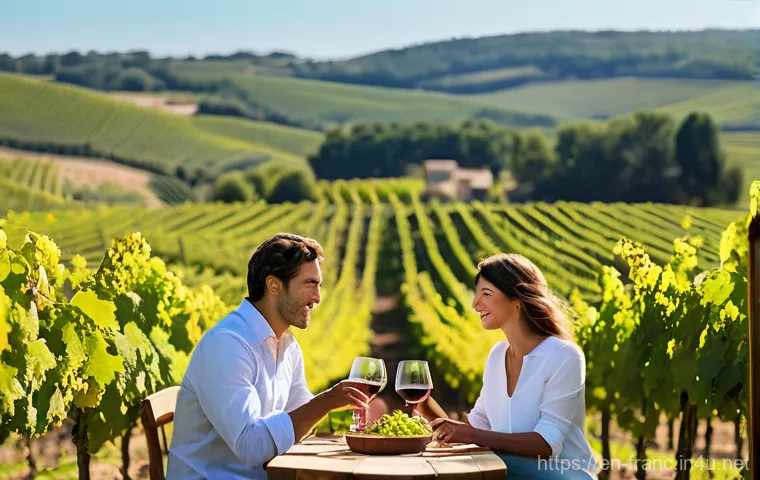
Decoding the Flavors: What to Look For
Let’s be honest, walking into a French winery can feel a little intimidating if you’re not a seasoned sommelier. But trust me, it doesn’t have to be! I used to get so flustered, trying to sound knowledgeable.
Now, I approach it with curiosity and an open mind. The key is to engage all your senses. First, look at the wine – its color can tell you a lot about its age and varietal.
Then, swirl and smell. Don’t be shy! Stick your nose right in there.
What do you detect? Red fruits, blackcurrant, perhaps a hint of leather or tobacco in a red, or citrus, apple, and minerality in a white? There’s no right or wrong answer; it’s what you perceive.
Finally, taste. Take a small sip, let it coat your palate. Note the acidity, the tannins (that dry sensation), the sweetness, and the body.
What’s the finish like? Does the flavor linger? I’ve learned that the more you practice, the more your palate develops, and it becomes a truly joyous exploration.
Don’t worry about using fancy terms; just describe what you feel and taste, and you’ll be well on your way to becoming a confident taster.
Etiquette and Enjoyment: Making the Most of Every Sip
A few tips on winery etiquette that I’ve picked up along the way can make your experience even better. Firstly, it’s always polite to arrive on time for your appointment, especially if you’ve booked a specific tour or tasting.
Small family-run estates often have limited staff, and punctuality is appreciated. Secondly, if you’re driving, make sure you have a designated driver or plan to spit.
Yes, spitting is perfectly acceptable and even encouraged, especially if you have multiple tastings lined up. Don’t feel pressured to swallow every sip!
Thirdly, feel free to ask questions. Winemakers love sharing their passion, and it’s a fantastic way to learn. Lastly, and perhaps most importantly, relax and enjoy the moment.
French wine culture is about savoring life’s pleasures. Don’t rush. Take your time, appreciate the nuances, and let the experience wash over you.
My favorite moments have often been when I simply allowed myself to be present, absorbing the atmosphere, the stories, and of course, the incredible wines.
It’s about the journey, not just the destination, and embracing that mindset will make every sip more meaningful.
Bringing the Vineyard Home: Souvenirs and Shipping
Selecting Your Perfect Bottle
After all those incredible tastings and experiences, you’re bound to fall in love with a few bottles. Trust me, it happens to everyone! But how do you choose the perfect bottle to bring home?
My advice is to think about the experience behind it. Did you meet an amazing winemaker? Was it a wine that perfectly paired with a memorable meal?
Or perhaps it was a unique regional varietal you can’t easily find back home. I always try to pick something that tells a story, something that will transport me back to that sunny vineyard when I uncork it.
Don’t just go for the most expensive bottle; often, the most special ones are those from smaller producers with a genuine connection to their craft. Don’t be afraid to ask for recommendations for wines that travel well or are good value.
Many wineries are happy to suggest specific vintages or styles that will remind you of your visit long after you’ve left, keeping those wonderful memories alive.
Hassle-Free Shipping Solutions
Now, the tricky part: getting those cherished bottles home. I’ve learned this the hard way with airline baggage limits and breakage! While carrying a bottle or two in your checked luggage (wrapped very carefully!) is usually fine, if you’re buying a case or more, shipping is definitely the way to go.
Many larger wineries or specialized wine shops offer international shipping services. This is usually the most reliable and often surprisingly affordable option for larger quantities.
Just be aware of your home country’s customs regulations and import duties, as these can vary wildly. Sometimes, using a dedicated wine shipping company is also a good idea; they specialize in temperature-controlled transport, which is crucial for preserving the quality of your wine.
A little research upfront can save you a lot of headache (and heartbreak over a broken bottle!) later. It’s truly worth it to ensure your liquid memories arrive safely at your doorstep, ready to be enjoyed when you’re longing for a taste of France again.
Budgeting for Bliss: Making Your Wine Dream a Reality
Smart Spending in Wine Country
Let’s be real, a trip to France’s wine country can be an indulgent experience, but it doesn’t have to break the bank. I’ve managed some amazing trips on a surprisingly reasonable budget by being strategic.
One of my favorite money-saving hacks? Focus on lunch instead of dinner for your gourmet meals. Many top-tier restaurants offer incredible prix fixe lunch menus that are a fraction of the dinner price.
You get the same incredible food and wine pairings without the hefty evening bill. Also, don’t overlook the smaller, more rustic bistros in local villages.
These are often where you find the most authentic, delicious, and affordable regional cuisine. For accommodations, consider gîtes (vacation rentals) or B&Bs outside the main tourist hubs; they often offer fantastic value and a more local experience.
And remember, not every tasting needs to be at a grand château. Many smaller, independent wineries offer free or very low-cost tastings, and these are often the most personal and rewarding.
Maximizing Value Without Compromising Experience
It’s all about finding that sweet spot where quality meets affordability. I’ve found that investing in one or two really special experiences – perhaps a private tour with a winemaker, or a night in a truly luxurious château – and balancing those with more budget-friendly options, creates the most memorable trip.
For instance, I once splurged on a hot air balloon ride over Burgundy’s vineyards, which was absolutely breathtaking, but then saved on accommodation by staying in a charming village Airbnb.
Also, look into regional passes or combined tickets if you plan on visiting multiple attractions or museums alongside wineries. These can often offer significant savings.
And don’t forget to pack some snacks and water for your vineyard explorations – buying these on the go can add up. The goal is to curate an experience that feels rich and indulgent, without constantly worrying about your wallet.
It’s amazing how much you can experience and enjoy by being a little clever with your planning and prioritizing what truly matters to you. With a bit of foresight, you can have an unforgettable French wine adventure that’s both lavish and financially smart.
Wrapping Up Our Wine Journey
And just like that, our whirlwind tour through France’s incredible wine regions comes to a close! I truly hope you’ve felt a bit of the magic I experience every time I set foot in a vineyard there. From the grandeur of Bordeaux to the serene beauty of the Loire Valley, each region holds a piece of my heart and a story in every bottle. It’s more than just wine; it’s about the people, the passion, the history, and that undeniable French ‘art de vivre’ that makes every sip feel like a celebration. I’ve loved sharing my personal discoveries and tips with you, and honestly, nothing makes me happier than knowing you might now feel empowered to uncork your own French wine adventure. So, go on, let your curiosity be your guide, and create some unforgettable memories!
Handy Tips for Your Next Wine Adventure
Here are a few nuggets of wisdom I’ve gathered over the years that I genuinely believe will make your next French wine trip smoother and more enjoyable:
1. Don’t be afraid to venture beyond the most famous regions. Some of my most cherished discoveries have been in lesser-known areas like Gaillac or Jura, where the wines are unique and the welcomes are incredibly warm. You often find exceptional value and a more intimate experience there, which is truly priceless.
2. Renting a car, if you’re comfortable driving abroad, gives you unparalleled freedom to explore. Those charming, smaller wineries are often tucked away, and public transport might not always reach them. Just remember to always have a designated driver or plan to use ride-sharing services for tastings.
3. Book accommodations and any specific tasting appointments or tours well in advance, especially during peak seasons like spring and autumn. The best spots fill up quickly, and having your itinerary sorted takes so much stress out of the trip, allowing you to relax and soak it all in.
4. Seek out organic and biodynamic wineries. Not only are you supporting sustainable practices, but you’ll often find wines with incredible character and a deeper connection to the land. Plus, hearing the winemakers talk about their philosophy is truly inspiring and makes the tasting experience so much richer.
5. Embrace the local culture! Learn a few basic French phrases like “Bonjour” (hello), “Merci” (thank you), and “S’il vous plaît” (please). Locals truly appreciate the effort, and it can open doors to even more authentic and memorable interactions, transforming a good trip into an amazing one.
Key Takeaways for a Seamless Trip
Embarking on a French wine journey is truly one of life’s great pleasures, and getting the most out of it comes down to a few key principles. First, be open to discovery; the true magic often lies beyond the guidebook. Second, prioritize immersive experiences, whether it’s a vineyard walk with the winemaker or a blending workshop – these are the moments that truly create lasting memories and build your genuine expertise. Third, plan thoughtfully, but remain flexible enough to embrace serendipitous moments. Finally, always remember to savor not just the wine, but the entire journey, the people you meet, and the stories you collect. It’s about building a connection with the land and its liquid treasures, making every sip a testament to a rich and authentic experience. By focusing on these elements, you’re not just taking a trip; you’re crafting an unforgettable narrative that will resonate long after your return.
Frequently Asked Questions (FAQ) 📖
Q: How do I pick the perfect French wine region for my trip, especially if I’m a first-timer or looking for something beyond the usual?
A: Oh, this is such a fantastic question, and one I get asked all the time! Choosing the “perfect” region really depends on what kind of experience you’re dreaming of.
If you’re a first-timer, places like Bordeaux or the Loire Valley are often fantastic starting points. Bordeaux, with its grand châteaux and iconic red blends (think Cabernet Sauvignon and Merlot), offers a really classic, luxurious feel.
You can tour some truly majestic estates and dive deep into centuries of winemaking history. I’ve personally found it amazing to just drive through the Médoc and Saint-Émilion, seeing those famous names on the château gates.
It’s an experience that truly connects you to the grandeur of French wine. Now, if you’re leaning towards something a bit more diverse or perhaps prefer white wines and sparkling wines, the Loire Valley is an absolute gem.
I’ve always adored its fairytale castles nestled among the vineyards, and the range of wines from crisp Sauvignon Blanc to elegant Chenin Blanc and even delightful sparkling Crémants is just incredible.
It feels like you’re stepping into a storybook! For those who really want to celebrate, or just adore bubbles, Champagne is, of course, a must-visit. Exploring those chalky cellars in Reims or Epernay, where the world’s most famous sparkling wine comes to life, is an experience filled with pure joy and history.
But what if you’re looking for something a bit “off the beaten path,” or perhaps a more intimate, terroir-focused journey? Burgundy is absolutely captivating.
It’s the heartland of Pinot Noir and Chardonnay, where the concept of terroir is king, and every tiny plot tells its own unique story. My experience there has shown me that while it might require a little more planning to secure tastings at smaller, family-owned domaines, the reward is incredibly personal and profound.
Or, if you love aromatic whites and picturesque, German-influenced villages, Alsace along the German border is a dream. It’s truly like stepping into a postcard.
And for those sun-drenched, rosé-tinted dreams, Provence in the south is simply glorious. The vibrant pink wines are just perfect for soaking up the Mediterranean charm.
Each region has its own soul, so think about what kind of atmosphere and flavors truly call to you!
Q: What kind of unique, immersive experiences can I expect when visiting French vineyards, beyond just a basic tasting?
A: Oh, my dear fellow wine explorers, this is where the magic really happens! Gone are the days when a vineyard visit was just a quick swirl and spit. Today, French wine country is absolutely buzzing with immersive experiences that will truly make your trip unforgettable.
I’ve personally had some of the most incredible moments doing things far beyond the tasting room. Imagine this: cycling through sun-drenched vineyards in Saint-Émilion, feeling the gentle breeze, then stopping for a tour and tasting at a charming château.
It’s an active way to see the landscape and earn those delicious sips! Or how about a gourmet picnic right there among the vines in the Loire Valley? I once enjoyed the most exquisite local cheeses and pâtés, perfectly paired with a crisp Vouvray, with nothing but rows of grapes stretching out around me.
It was pure bliss! For those who love to get hands-on, some estates, especially in regions like Bordeaux or Burgundy, offer blending workshops. You get to play winemaker for a day, mixing different varietals to create your own personalized bottle – how cool is that?
You’ll gain such a deeper appreciation for the art and science behind what’s in your glass. And if you’re feeling adventurous, some places even offer hot air balloon rides over the vineyards!
Talk about a breathtaking perspective on France’s stunning landscapes! I’ve also seen vineyards that incorporate truffle hunting (yes, really!), cooking classes using local produce, or even stays in gorgeous boutique hotels right on the estate.
Plus, don’t miss interactive museums like La Cité du Vin in Bordeaux, which makes wine history and culture incredibly engaging. These kinds of experiences aren’t just about the wine; they’re about connecting with the land, the people, and the passionate stories behind every bottle.
It’s truly about living the ‘art de vivre’!
Q: How can I ensure my French wine adventure is both authentic and fits my budget, and are there sustainable options available?
A: I totally get it – we all want that authentic, dreamy French wine experience without breaking the bank, and increasingly, we want to know it’s responsible too.
The good news is, you absolutely can have it all! Based on my own travels, a truly authentic experience often comes from seeking out smaller, family-owned vineyards rather than just the grand, well-known châteaux.
These hidden gems often offer a more personal welcome, a chance to meet the winemaker themselves, and a more intimate look at their passion and traditions.
I’ve found some of my favorite wines and made some wonderful connections just by asking locals for recommendations or looking for smaller signs off the main roads.
Plus, these often come with a much more approachable price tag for tastings and purchases. When it comes to budgeting, remember that tours and tastings can range wildly, from a few euros at a smaller cooperative to thousands at a top-tier Grand Cru estate.
Don’t be shy about exploring options at different price points. Many regions, including Bordeaux and Burgundy, offer excellent wines from lesser-known producers or entry-level appellations that are fantastic value.
Consider a self-guided trip if you’re comfortable driving – renting a car gives you so much flexibility to explore at your own pace and discover those charming villages and vineyards that organized tours might miss.
Booking accommodations like guesthouses or chambre d’hôtes (bed and breakfasts) in wine villages can also be more budget-friendly and offer a delightful local flavor compared to city hotels.
And here’s a crucial tip I learned the hard way: always book your visits in advance, especially during peak season (May to October)! Popular estates get fully booked months ahead, and you don’t want to miss out on your dream visit.
Now, for sustainability, I’m thrilled to say this is becoming a huge focus across French wine country! Many vineyards are deeply committed to protecting their precious terroir.
Look for wineries that proudly display certifications like “Organic (Bio),” “Biodynamic,” or “HVE” (Haute Valeur Environnementale), which indicates a high environmental value.
These producers are actively working to preserve biodiversity, reduce chemical use, and manage water responsibly. My personal philosophy is to seek out those who are passionate not just about their wine, but about the land it comes from.
You’ll often find these eco-conscious estates offering unique experiences too, like vineyard walks where they explain their sustainable practices, or tastings paired with organic, locally sourced food.
It adds such a rich layer to the experience when you know you’re supporting practices that are good for the planet and good for your palate!